
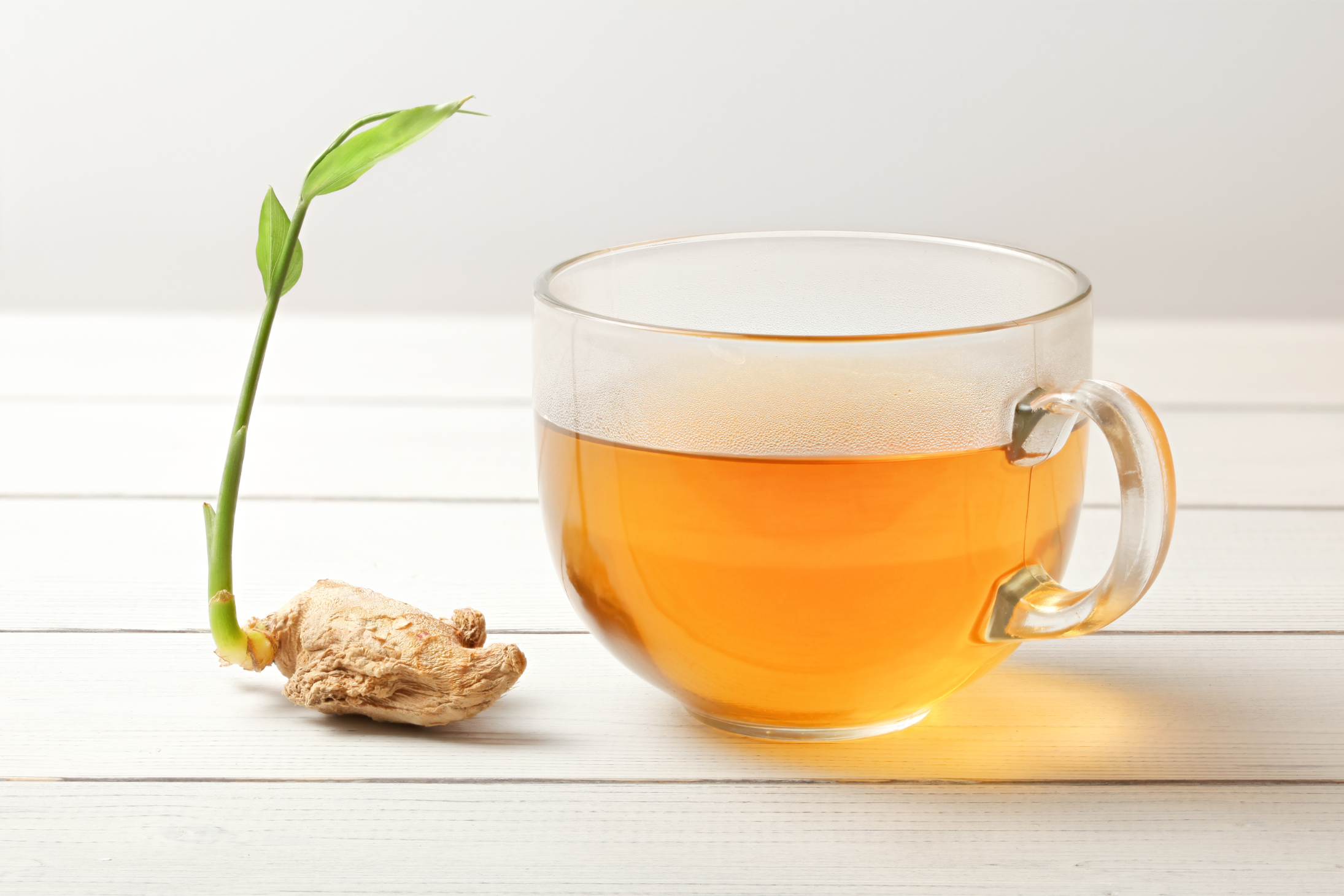
Ginger Root: The Warming Rhizome Behind Centuries of Flavor and Tradition
Few botanicals are as instantly recognizable as ginger. Its aroma is bright and unmistakable. Its flavor begins warm and citrusy before developing the peppery heat that has made it a staple in kitchens, traditional healing systems, and tea traditions around the world.
But ginger is more interesting than its familiar flavor suggests. The part we use isn’t technically a root — it’s a rhizome, an underground stem that stores the compounds responsible for ginger’s aroma, pungency, and the ongoing scientific interest around it.
At Pure & Easy Tea, ginger isn’t a flavor added after the blend is made. It’s the actual botanical — whole, dried, and steeped alongside everything else in the cup.
What is ginger root?
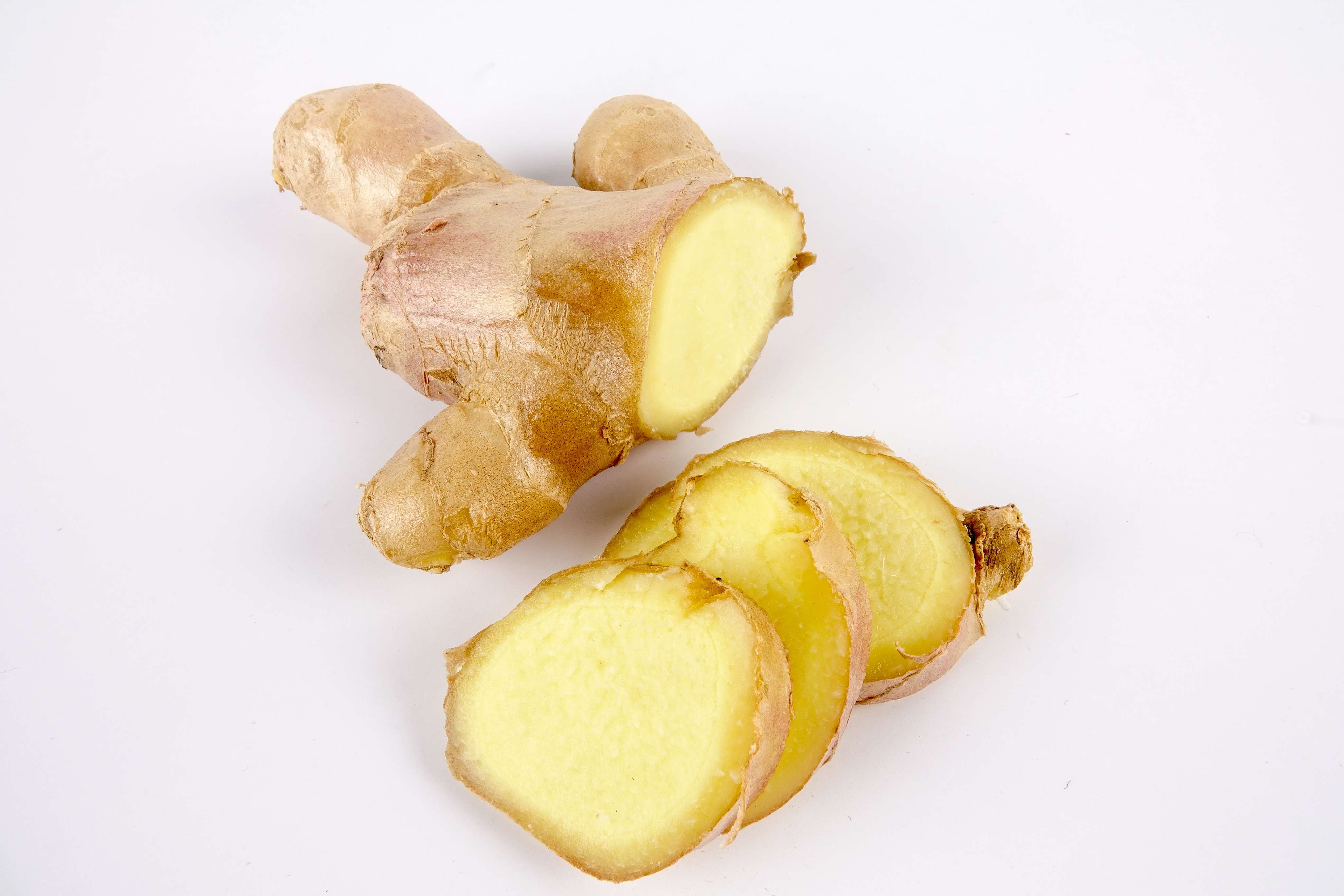
Ginger, botanically Zingiber officinale, is a perennial flowering plant in the Zingiberaceae family — the same family as turmeric and cardamom. Despite the common name, the part we harvest and steep is a rhizome, not a true root. A rhizome is a modified stem that grows horizontally underground, sending up shoots and roots from its nodes — Kew Gardens draws this same distinction in its own description of the plant.
Once harvested, ginger can be used fresh or dried. For tea, dried ginger delivers a more concentrated, warming character as hot water draws out its aromatic compounds.
Where ginger root comes from
Kew’s Plants of the World Online places ginger’s native range from the eastern Himalayas into south-central China, and the plant is now cultivated across dozens of tropical and subtropical regions worldwide — from India and Southeast Asia to parts of Africa and the Caribbean.
Climate, soil, harvest timing, and drying method all shape the finished botanical, the same way growing region shapes the character of tea leaves. That variation isn’t a flaw — it’s what comes with using a real agricultural ingredient rather than a manufactured flavor built to taste identical every time.
History and traditional use
Ginger’s relationship with people goes back thousands of years. It has long held a place in Ayurvedic and Chinese medicine, particularly in preparations tied to digestion and warmth, and it moved along historical spice trade routes into the Middle East and Europe, where it became a prized commodity.
Its long history of culinary and traditional use across Asia and beyond helps explain why ginger became such a familiar ingredient in food, botanical preparations, and tea traditions around the world.
That history matters — but traditional use and modern clinical evidence are two different things, and we think it’s worth being precise about which is which.
What’s actually inside ginger root?
Much of the scientific interest in ginger centers on naturally occurring compounds responsible for its pungency:
- Gingerols — the primary pungent compounds in fresh ginger, with 6-gingerol being the most studied
- Shogaols — formed when gingerols undergo chemical changes during drying or heating, which is part of why fresh and dried ginger don’t taste alike
- Volatile oils and phenolic compounds — dozens of additional aromatic constituents that round out ginger’s flavor and continue to draw research interest
A piece of ginger isn’t one molecule doing one job. It’s a complex plant matrix containing many naturally occurring compounds — fundamentally different from an isolated flavor designed simply to reproduce a particular taste.
What the research says
Ginger is one of the more extensively studied culinary botanicals, particularly around nausea and digestive function. According to the National Center for Complementary and Integrative Health (NCCIH), ginger has been studied for several types of nausea and vomiting, and the evidence is strongest for pregnancy-associated nausea, while research on motion sickness has generally not shown a benefit. Findings on chemotherapy-related and post-surgical nausea remain mixed.
Separately, Johns Hopkins Medicine notes that gingerol is associated with gastrointestinal motility — the rate at which food moves through the digestive system — which is one proposed explanation for ginger’s long-standing association with digestive comfort.
One distinction is easy to miss: much of this research involves concentrated ginger supplements at measured doses, not an ordinary cup of tea. NCCIH specifically notes that most nausea research has tested dietary supplements rather than food. That means findings on concentrated ginger shouldn’t be assumed to translate directly to what a cup of ginger tea will do.
Traditional use vs. modern evidence
Traditional botanical knowledge tells us how a plant has been used across cultures and generations. Clinical research asks a narrower question: can a specific effect be demonstrated under controlled conditions?
Both are useful — but they aren’t the same thing, and blending them together produces the kind of vague claim that doesn’t hold up to scrutiny. Rather than saying “ginger relieves nausea,” the more accurate statement is: ginger has a long history of traditional use for digestive discomfort, and modern research supports a benefit for some forms of nausea — particularly during pregnancy — while evidence for other uses is mixed or still developing.
Less dramatic. More honest. And, we’d argue, more useful.
Ginger root flavor and aroma
Ginger’s flavor is warm, peppery, and slightly citrusy, with an earthy undertone that becomes more pronounced the longer it steeps. Unlike the bitterness that can develop from oversteeped green tea, ginger’s intensity mostly shows up as more heat, not more harshness.
It pairs naturally with cinnamon and cardamom for warmth, citrus peel for brightness, and softer botanicals like chamomile and licorice root for balance — which is exactly the logic behind a well-built chai.
Fresh vs. dried ginger root
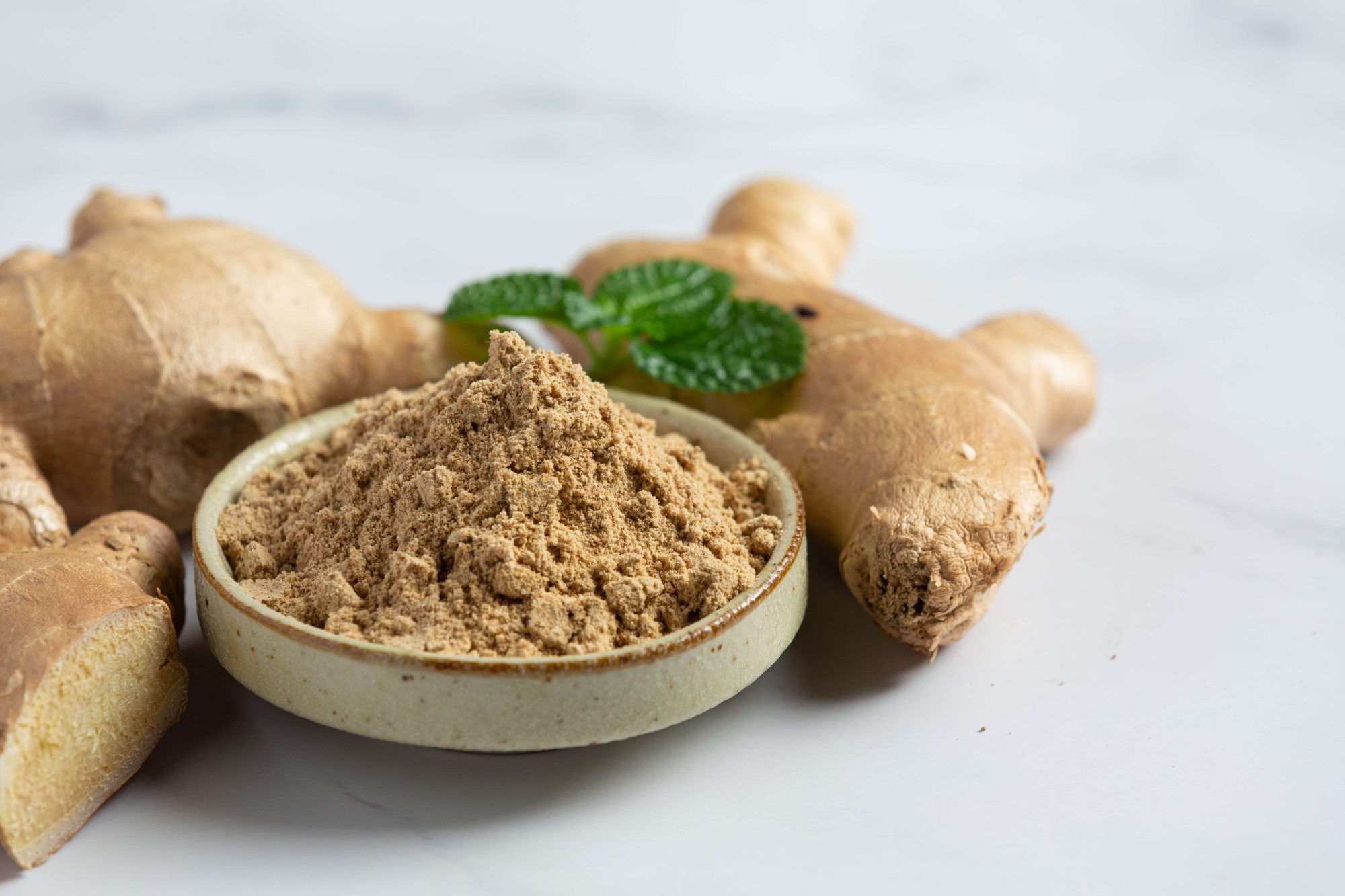
Fresh ginger tends to taste brighter, juicier, and more citrus-forward. Drying concentrates and shifts that character — the finished rhizome becomes warmer, more peppery, and less bright, partly because some gingerols convert into shogaols during the drying process.
For blended tea, dried ginger root has a practical advantage: it can be precisely combined with other dried botanicals so everything extracts together during steeping, rather than one fresh ingredient behaving differently than the rest of the blend.
Whole ginger root vs. ginger extract vs. ginger flavor
These terms can sound similar on an ingredient list, but they describe very different things.
Whole dried ginger
Whole dried ginger is the actual harvested rhizome, dried and cut into pieces. When steeped, hot water draws flavor and naturally occurring compounds directly from the botanical itself.
Ginger extract
An extract is produced by concentrating certain constituents from ginger through an extraction process. Extracts can have legitimate uses, including in supplements and research, but they are not the same thing as steeping the whole botanical.
Ginger flavor
A flavor is designed primarily to create a particular sensory experience. Depending on how it is made, a ginger flavor may or may not contain material derived directly from ginger itself.
For us, the distinction is simple.
If the ingredient is meant to contribute ginger to the cup, we prefer the ginger itself to do the work.
How to brew ginger root
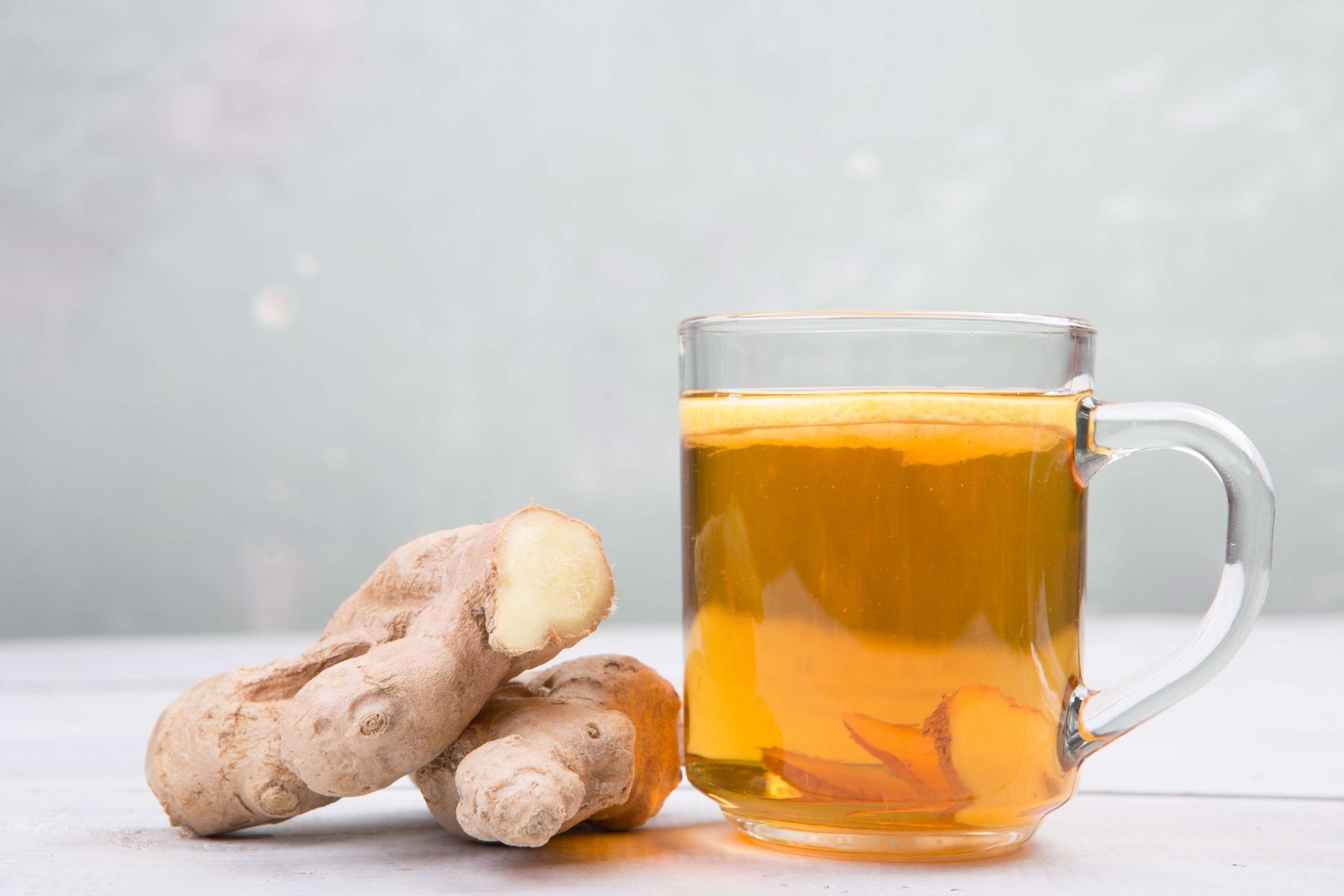
Ginger root is a forgiving botanical that responds well to heat:
- Water temperature: 200–212°F
- Steep time: 5–7 minutes for a fuller cup; longer for more intensity
- Ginger won’t turn bitter the way delicate green tea can if it’s left to steep a little longer
When ginger appears inside a blend, brew for the whole blend rather than for the ginger alone — an Assam-based chai can handle near-boiling water, while a blend built around more delicate leaves may call for something gentler.
Why Pure & Easy Tea uses the whole ingredient
Our approach is simple: if we want ginger in the cup, we use ginger — not an extract standardized to isolate specific compounds, and not a flavoring designed to imitate the taste without the plant behind it.
When you open one of our blends and see a piece of ginger, it’s there to do a job. Hot water draws out its aroma and warmth, and that character interacts with everything else in the blend.
The natural variation that comes with a real, whole botanical isn’t something we try to engineer away. It’s part of what makes tea made from actual plants different from tea made to taste like plants.
Tea As It Was Meant To Be.
Where you’ll find it in our teas
- Signature Chai — ginger forms the warming backbone of this Assam-based masala chai, alongside cinnamon, cardamom, and clove
- Soothe — ginger joins echinacea, eucalyptus, turmeric, peppermint, chamomile, lemon balm, licorice root, and dried orange in this caffeine-free herbal blend
- Radiance — ginger appears in a different role here, paired with hibiscus, holy basil, gotu kola, chamomile, rooibos, burdock root, and ashwagandha
The ginger doesn’t change. What surrounds it does — and that’s what makes formulation interesting.
Explore the Ginger Root Ingredient Profile
This article is part of a larger project: the Pure & Easy Tea Ingredient Library, where we document the individual botanicals behind every blend — what they are, where they come from, and how they show up in our teas.
Explore Ginger Root in the Pure & Easy Tea Ingredient Library →
Related ingredients
Ginger rarely works alone. Continue exploring the botanicals it’s most often paired with:
- Cinnamon
- Cardamom
- Turmeric
- Ashwagandha
- Echinacea
- Licorice Root
Each of these botanicals already has a profile in the Pure & Easy Tea Ingredient Library. Link each ingredient directly to its existing profile. As additional long-form ingredient articles are published, those guides can be linked here as well.
Frequently asked questions
Is ginger actually a root? Not technically. The part of Zingiber officinale we eat and steep is a rhizome — an underground plant stem — rather than a true root.
What does ginger root tea taste like? Warm, peppery, and slightly citrusy, with an earthy character that builds the longer it steeps.
Is ginger naturally caffeine-free? Yes, ginger itself contains no caffeine. Whether the finished tea does depends on what it’s blended with — Signature Chai, built on Assam black tea, has caffeine, while Soothe and Radiance are both caffeine-free.
What’s the difference between fresh and dried ginger? Fresh ginger is brighter and more citrus-forward; drying concentrates the flavor into something warmer and more peppery, while also converting some of its gingerols into shogaols.
Has ginger been studied for nausea? Yes. Evidence is strongest for pregnancy-associated nausea, according to NCCIH, while research on motion sickness and other forms of nausea is more mixed.
How long should ginger steep? About 5–7 minutes is a good starting point. Longer steeping produces a stronger, spicier cup without the bitterness you’d get from oversteeped green tea.
Sources & further reading
- National Center for Complementary and Integrative Health (NCCIH) — Ginger: Usefulness and Safety
- Royal Botanic Gardens, Kew — Zingiber officinale, Plants of the World Online
- Royal Botanic Gardens, Kew — Ginger plant profile
- Johns Hopkins Medicine — Ginger Benefits
- Viljoen et al., Nutrition Journal (2014) — Systematic review and meta-analysis of ginger for pregnancy-associated nausea and vomiting
- Lete & Allué, Integrative Medicine Insights (2016) — The effectiveness of ginger in the prevention of nausea and vomiting during pregnancy and chemotherapy
This article is intended as ingredient education, not medical advice, diagnosis, or treatment. If you are pregnant, managing a medical condition, or taking medication, talk to a healthcare professional before adding ginger in concentrated or supplemental amounts.
Keep reading