
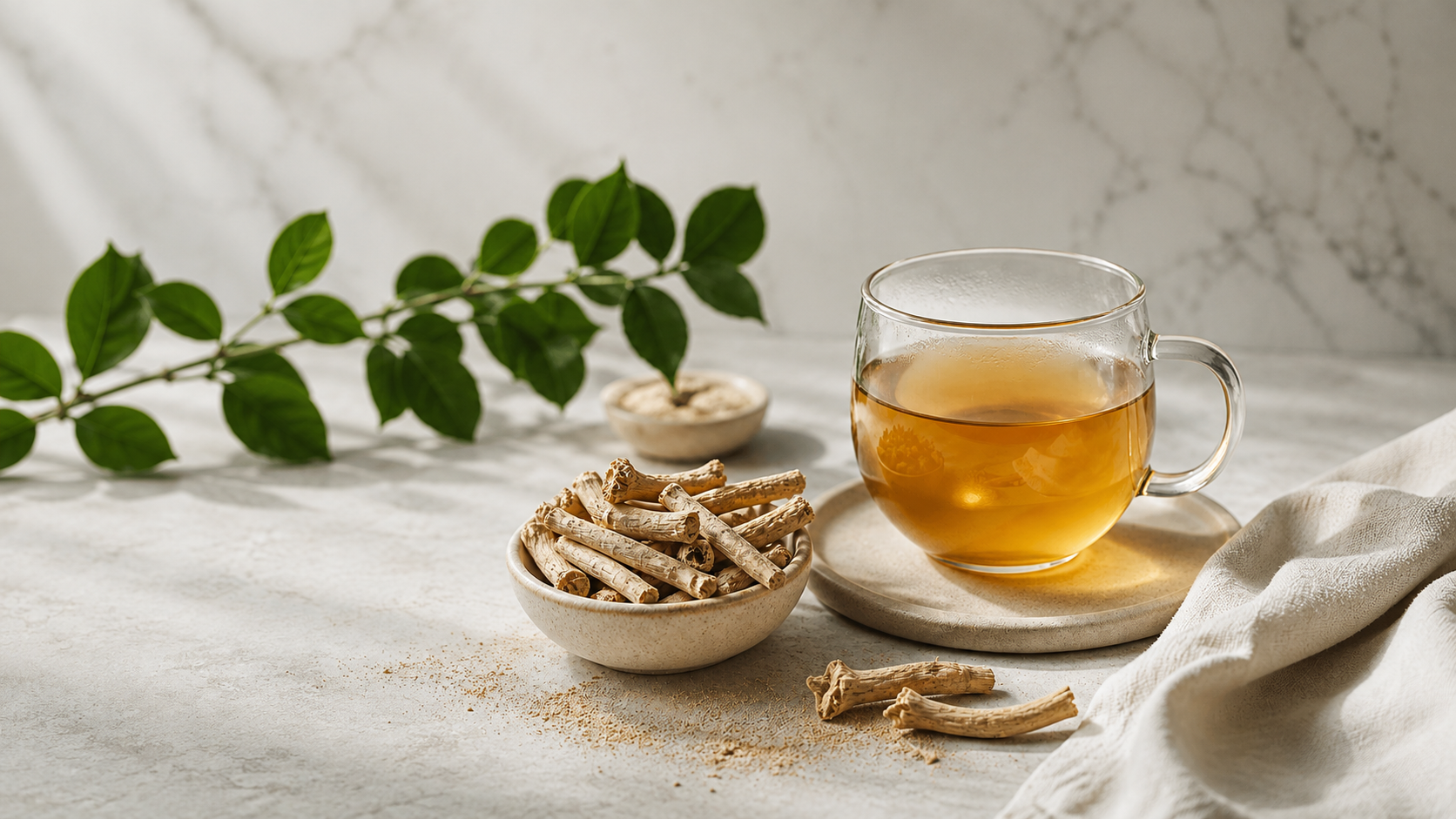
Ashwagandha Benefits: Ancient Root, Modern Science and What the Evidence Really Says
Few botanicals have made the leap from ancient tradition to modern wellness culture quite like ashwagandha.
Today, interest in ashwagandha benefits has exploded, with the botanical appearing in capsules, powders, gummies, beverages and increasingly elaborate “stress support” formulas.
That should invite a reasonable question:
What does ashwagandha actually do?
The answer is more interesting—and considerably more nuanced—than the marketing.
Ashwagandha has a long history of traditional use and a growing body of human research behind it. Some of that research is genuinely promising, particularly around stress and sleep. Other popular claims have far less evidence behind them.
Understanding the difference is part of understanding the plant itself.
What Is Ashwagandha?
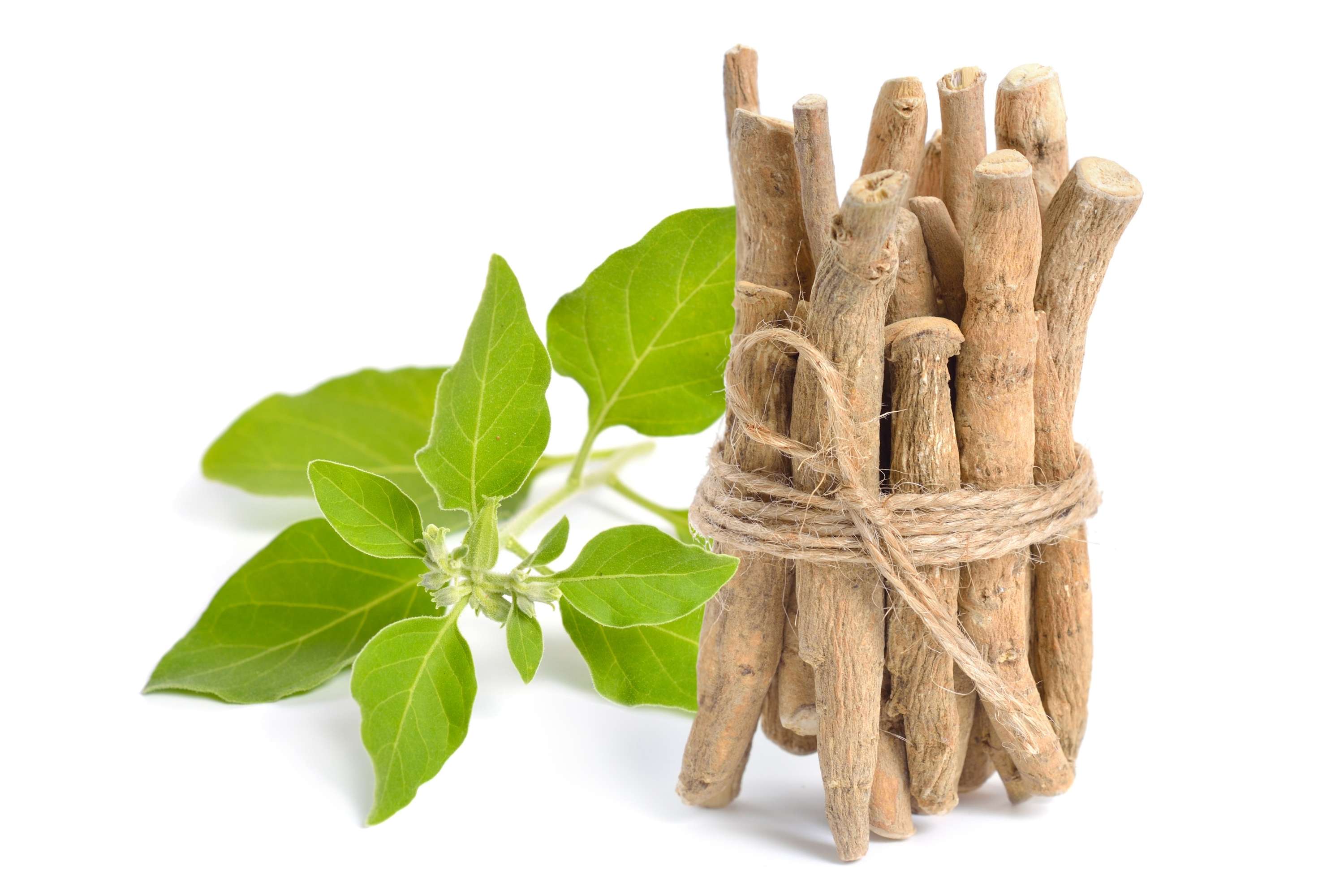
Ashwagandha (Withania somnifera) is a small evergreen shrub traditionally used in Ayurvedic medicine, the traditional medical system of India.
Its roots have been used for centuries in preparations intended to support resilience, vitality and general well-being.
The botanical name itself offers a clue to one of its longstanding associations. Somnifera derives from Latin terminology associated with sleep, reflecting the plant’s traditional reputation as a calming botanical.
Modern researchers have identified numerous naturally occurring compounds in ashwagandha, including a group of steroidal lactones known as withanolides.
Withanolides receive much of the scientific attention surrounding ashwagandha, although researchers do not believe they necessarily explain everything the plant may do.
That distinction matters.
A plant is rarely a single molecule.
Why Is Ashwagandha Called an Adaptogen?
The word adaptogen has become ubiquitous in wellness marketing.
It is also frequently misunderstood.
Broadly speaking, the term has been used to describe certain botanicals believed to help the body adapt to physical or psychological stress and maintain balance when confronted with stressors.
That does not mean an adaptogen simply “reduces stress.”
Stress is part of an extraordinarily complicated biological system involving the brain, nervous system, endocrine system, immune signaling and hormones such as cortisol.
The more interesting question surrounding ashwagandha is therefore not whether it makes stress disappear.
It is whether compounds within the plant may influence the body’s physiological response to stress.
That is where modern research becomes particularly interesting.
Ashwagandha Benefits for Stress: Where the Evidence Is Strongest
Stress is probably the most scientifically studied modern use of ashwagandha.
Multiple randomized controlled trials have reported reductions in perceived stress among people taking certain ashwagandha extracts compared with placebo.
A review cited by the National Institutes of Health examined seven studies involving 491 adults experiencing stress or anxiety. Across those studies, participants receiving ashwagandha generally reported lower stress and anxiety scores, less fatigue and sleeplessness, and in some cases lower cortisol levels.
More recent trials have produced similar findings.
That does not mean every ashwagandha product will produce the same result.
Clinical studies have used substantially different preparations, including root extracts, root-and-leaf extracts, standardized extracts and whole-root preparations. Dosages and concentrations of withanolides have also varied considerably.
That makes one of the most common wellness assumptions problematic:
“Ashwagandha” is not one standardized substance.
The preparation matters.
The amount matters.
The plant part matters.
And extraction methods matter.
This is one reason responsible botanical science rarely fits neatly into a marketing slogan.
What About Cortisol?
Cortisol is commonly called the stress hormone, although that description oversimplifies its role.
Your body needs cortisol.
It helps regulate metabolism, blood pressure, inflammation, immune activity and your natural sleep-wake rhythm. Cortisol normally rises and falls throughout the day.
Problems can arise when the body’s stress-response systems remain chronically activated.
Several ashwagandha trials have reported reductions in cortisol alongside improvements in perceived stress.
That has helped fuel the enormous popularity of ashwagandha in products marketed for “cortisol control.”
But the phrase can be misleading.
The goal should not be to eliminate cortisol.
The more scientifically reasonable idea is supporting a healthy stress response rather than attempting to suppress an essential hormone.
That distinction may sound small.
It isn’t.
Can Ashwagandha Help With Sleep?
Among the most researched ashwagandha benefits is its potential relationship with sleep.
Clinical trials have examined outcomes including:
- sleep quality
- total sleep time
- sleep efficiency
- how long it takes to fall asleep
- waking during the night
- alertness after waking
A systematic review and meta-analysis of five randomized controlled trials found a small but statistically significant improvement in overall sleep among people taking ashwagandha compared with placebo.
The effects appeared more pronounced among participants who already had insomnia, at higher studied doses, and when supplementation lasted at least eight weeks.
That does not make ashwagandha a sleeping pill.
Its effects appear much more subtle.
And that may fit the botanical better.
Rather than simply sedating the body, researchers are investigating whether ashwagandha’s relationship with sleep may partly involve the same stress-response pathways that influence relaxation and rest.
Stress and sleep, after all, rarely exist independently of one another.
Does Ashwagandha Reduce Anxiety?
Here the picture becomes less certain.
Some clinical trials have reported improvements in anxiety measures, and a number of studies investigating stress include anxiety-related outcomes.
However, the National Center for Complementary and Integrative Health currently considers the evidence for anxiety less clear than the evidence surrounding stress and insomnia.
That is an important distinction because wellness marketing frequently places all three claims together:
stress + anxiety + sleep
Scientifically, they should not automatically be treated as interchangeable.
Promising evidence is not the same thing as proof.
Ashwagandha for Energy, Strength and Athletic Performance
This is where claims begin expanding quickly.
Ashwagandha benefits are frequently promoted for:
- energy
- strength
- athletic performance
- testosterone
- muscle development
- cognition
- metabolic health
- immune support
- sexual health
Some individual studies have produced interesting findings in several of these areas.
But according to the National Center for Complementary and Integrative Health, there is currently insufficient evidence to determine whether ashwagandha is beneficial for many commonly promoted uses, including athletic performance and cognitive function.
That does not mean these effects are impossible.
It means science has not established them convincingly enough yet.
There is an enormous difference between those two statements.
The Part Wellness Marketing Often Leaves Out
Natural does not mean pharmacologically inactive.
Plants manufacture chemicals.
That is part of what makes them interesting.
It is also why they deserve respect.
Ashwagandha appears to be generally well tolerated during short-term use in many people, but most clinical research has lasted only weeks or a few months. Its long-term safety has not been established.
Reported side effects can include:
- stomach upset
- nausea
- diarrhea
- vomiting
- drowsiness
Ashwagandha may also affect thyroid function and can potentially interact with certain medications.
The National Center for Complementary and Integrative Health advises particular caution for people with thyroid or autoimmune disorders and notes potential interactions with medications including those used for diabetes, blood pressure, seizures, immune suppression and thyroid conditions.
Ashwagandha should also be avoided during pregnancy and is not recommended while breastfeeding.
What About Ashwagandha and the Liver?
This deserves discussion precisely because many wellness articles avoid it.
Rare cases of liver injury associated with products containing ashwagandha have been documented.
The NIH’s LiverTox database now considers ashwagandha a likely cause of clinically apparent liver injury in rare cases.
Most reported cases have eventually resolved after the product was discontinued, but severe cases have also been reported, particularly among people with existing liver disease.
There are important complications when interpreting these reports.
Commercial herbal supplements can contain multiple ingredients, different extracts, contaminants or ingredients that do not perfectly match their labels. Establishing causation in herbal-product injury can therefore be difficult.
Still, the signal is substantial enough that it should not simply be ignored.
This is an important reminder of something we believe applies to every botanical:
“Natural” and “risk-free” are not synonyms.
Root, Leaf, Powder or Extract: They Are Not Necessarily the Same Thing
This may be one of the most overlooked aspects of ashwagandha.
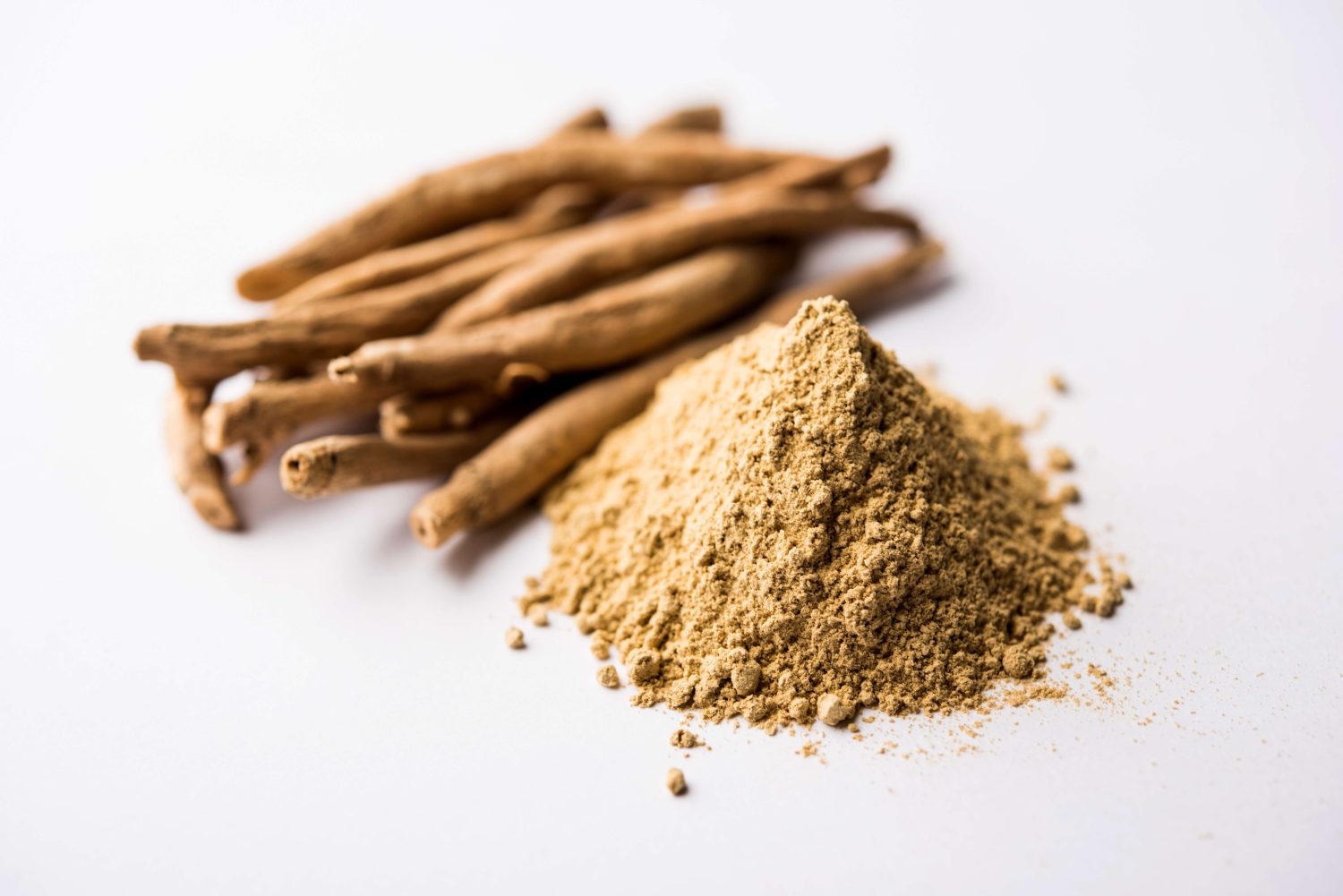
When someone says, “I take ashwagandha,” that tells you surprisingly little.
Are they consuming powdered root?
A concentrated root extract?
A root-and-leaf extract?
How much?
How concentrated?
How many withanolides does it contain?
How was it extracted?
Was it combined with other botanicals?
Modern supplement manufacturing can concentrate particular plant compounds far beyond what someone might encounter in a traditional preparation.
That can be useful when researchers want repeatable dosages.
But it also means conclusions drawn from one preparation should not automatically be applied to every other form of the plant.
The ingredient name on the front of the package is only the beginning of the story.
What Are Withanolides?
Withanolides are naturally occurring compounds found in Withania somnifera and related plants.
They are among the primary phytochemicals researchers investigate when studying ashwagandha benefits.
For that reason, many extracts are “standardized” to contain a specific percentage or quantity of withanolides.
Standardization can help researchers—and consumers—understand how concentrated an extract is.
But a number on a label should not be confused with a complete description of the plant.
Ashwagandha contains many chemical constituents beyond withanolides, and scientists continue to investigate how those compounds may work independently or together.
This is one of the recurring lessons of botanical science:
Plants are chemically complex systems, not isolated active ingredients.
Why the Form of a Botanical Matters
There is a tendency in modern wellness to discuss ingredients almost as abstractions.
Ashwagandha.
Turmeric.
Ginger.
Green tea.
But the name alone tells us very little.
How the botanical was grown matters.
Which part of the plant was used matters.
How it was harvested matters.
How it was processed matters.
How much is consumed matters.
Whether it is whole, powdered or highly concentrated matters.
And what it is combined with matters.
The closer we look at botanical research, the harder it becomes to separate an ingredient from its form.
That is one reason we believe transparency matters so much.
Ashwagandha Benefits in Tea
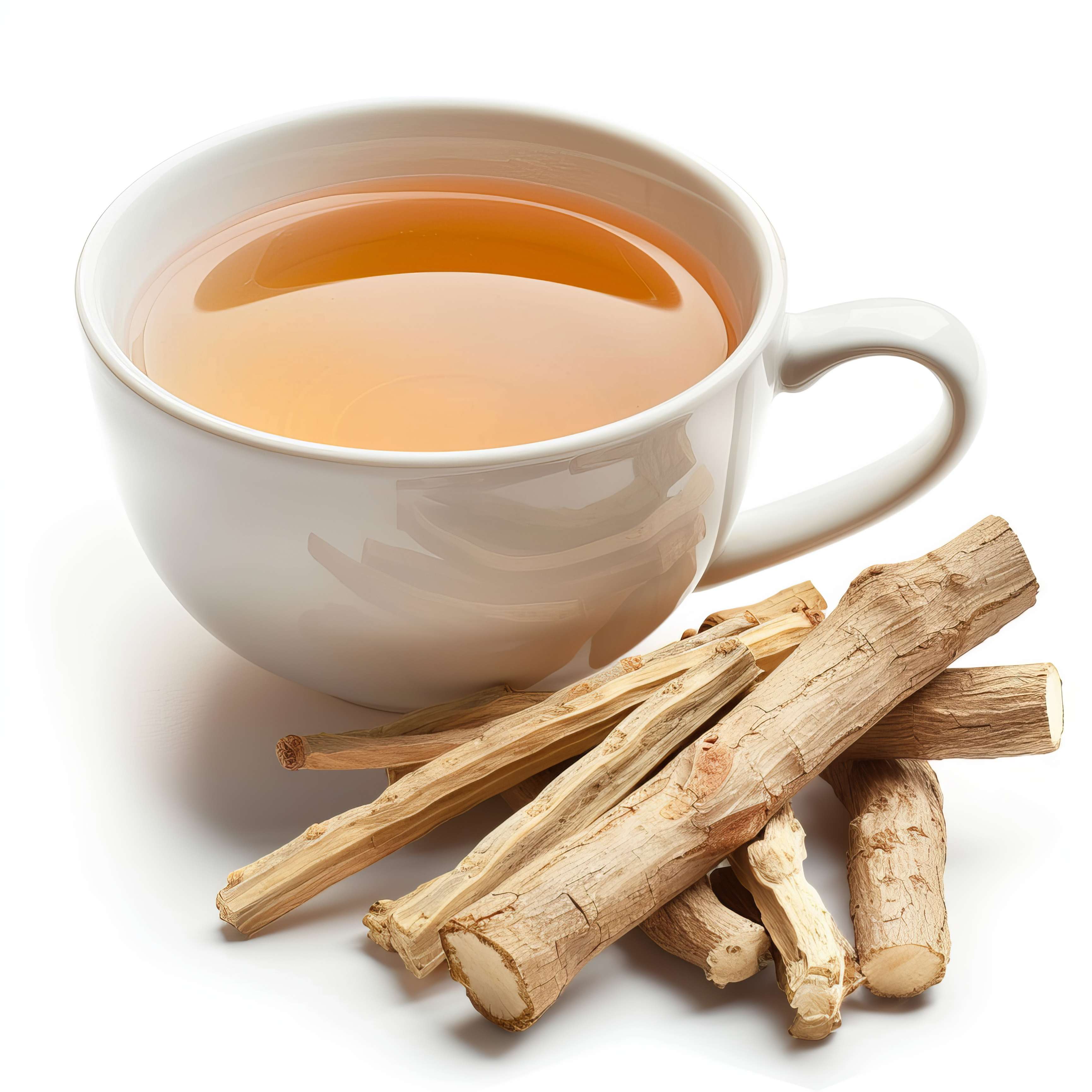
Ashwagandha has an earthy, slightly bitter character that lends itself naturally to botanical blending rather than functioning as a conventional flavoring.
At Pure & Easy Tea, we use ashwagandha as one botanical within carefully constructed whole-ingredient blends rather than treating it as a headline miracle ingredient.
You will find it in Radiance, where it accompanies hibiscus, holy basil, gotu kola, chamomile, rooibos, burdock root, peppermint and ginger root.
It is also part of EnduraBoost, alongside black tea, ginkgo biloba, eleuthero, gotu kola, schisandra berry, orange peel and lemon verbena.
The philosophy behind those formulations is simple:
A botanical should have a reason for being there.
Not because an ingredient happens to be trending.
Not because its name looks good on the front of a package.
And not because consumers have been told one plant can solve everything.
Ashwagandha Benefits are not Magic. They May Be Something More Interesting.
When discussing ashwagandha benefits, the most responsible answer is neither that the plant is a miracle nor that centuries of traditional use should be dismissed.
Thousands of years of traditional use do not automatically prove a medical claim.
Neither should modern science dismiss a plant simply because its history predates the laboratory.
The interesting territory lies between those extremes.
Ashwagandha benefits are a perfect example.
We now have human clinical research suggesting genuine potential for stress and sleep. We also have unanswered questions, inconsistent preparations, modest sample sizes and important safety considerations that deserve substantially more attention than they usually receive.
That does not make the potential ashwagandha benefits any less interesting.
It makes it more interesting.
Because understanding plants is not about turning them into miracles.
It is about discovering what they actually are.
And what they may actually be capable of doing.
At Pure & Easy Tea, that curiosity is at the center of how we think about tea.
Real plants. Real ingredients. No need to invent the story.
Frequently Asked Questions About Ashwagandha Benefits
What is ashwagandha used for?
Ashwagandha has traditionally been used in Ayurvedic medicine and today is commonly promoted for stress, sleep, anxiety, energy and general wellness. Current human research is most encouraging for stress and certain aspects of sleep, although more research is needed.
Is ashwagandha an adaptogen?
Ashwagandha is commonly described as an adaptogen, a term applied to certain botanicals thought to influence how the body responds to stress. “Adaptogen,” however, should not be interpreted to mean that a plant automatically normalizes every function in the body.
Does ashwagandha lower cortisol?
Some controlled clinical trials have reported reductions in cortisol among people taking particular ashwagandha extracts. Results cannot necessarily be generalized to every preparation or dose.
Does ashwagandha help you sleep?
Research suggests certain ashwagandha extracts may modestly improve sleep quality, sleep efficiency and the time required to fall asleep. Benefits appear more noticeable in some studies involving people with insomnia.
How long does ashwagandha take to work?
Clinical studies investigating stress and sleep have generally evaluated daily use over several weeks rather than expecting an immediate effect. Different formulations and dosages make it difficult to establish one universal timeline.
Can you drink ashwagandha in tea?
Yes. Ashwagandha root can be incorporated into herbal and tea blends. However, brewed botanicals and standardized concentrated extracts should not automatically be treated as equivalent because their composition and concentration can differ substantially.
Is ashwagandha safe every day?
Research suggests many adults tolerate ashwagandha during short-term use, generally up to about three months, but long-term safety has not been established. Certain people should avoid it or discuss its use with a healthcare professional.
Who should not take ashwagandha?
Pregnant or breastfeeding individuals should avoid ashwagandha. People with thyroid disorders, autoimmune conditions, significant liver disease or certain other medical conditions should discuss its use with their healthcare provider. Ashwagandha can also interact with some medications.
Can ashwagandha cause liver problems?
Rare cases of clinically apparent liver injury have been associated with products containing ashwagandha. Anyone who develops symptoms such as jaundice, unusually dark urine, severe itching or persistent gastrointestinal symptoms while taking an ashwagandha product should stop using it and seek medical attention.
Sources & Further Reading
National Institutes of Health, Office of Dietary Supplements — Ashwagandha: Is It Helpful for Stress, Anxiety, or Sleep?
National Center for Complementary and Integrative Health — Ashwagandha: Usefulness and Safety
National Library of Medicine, LiverTox — Ashwagandha
Cheah KL et al. — Systematic review and meta-analysis examining the effects of ashwagandha extract on sleep.
Chandrasekhar K, Kapoor J, Anishetty S. — Randomized, double-blind, placebo-controlled study examining a high-concentration ashwagandha root extract in adults experiencing stress.
This article is for educational purposes and is not intended to diagnose, treat, cure or prevent disease. Consult a qualified healthcare professional regarding medical conditions, medications or the use of botanical supplements.
Keep reading