
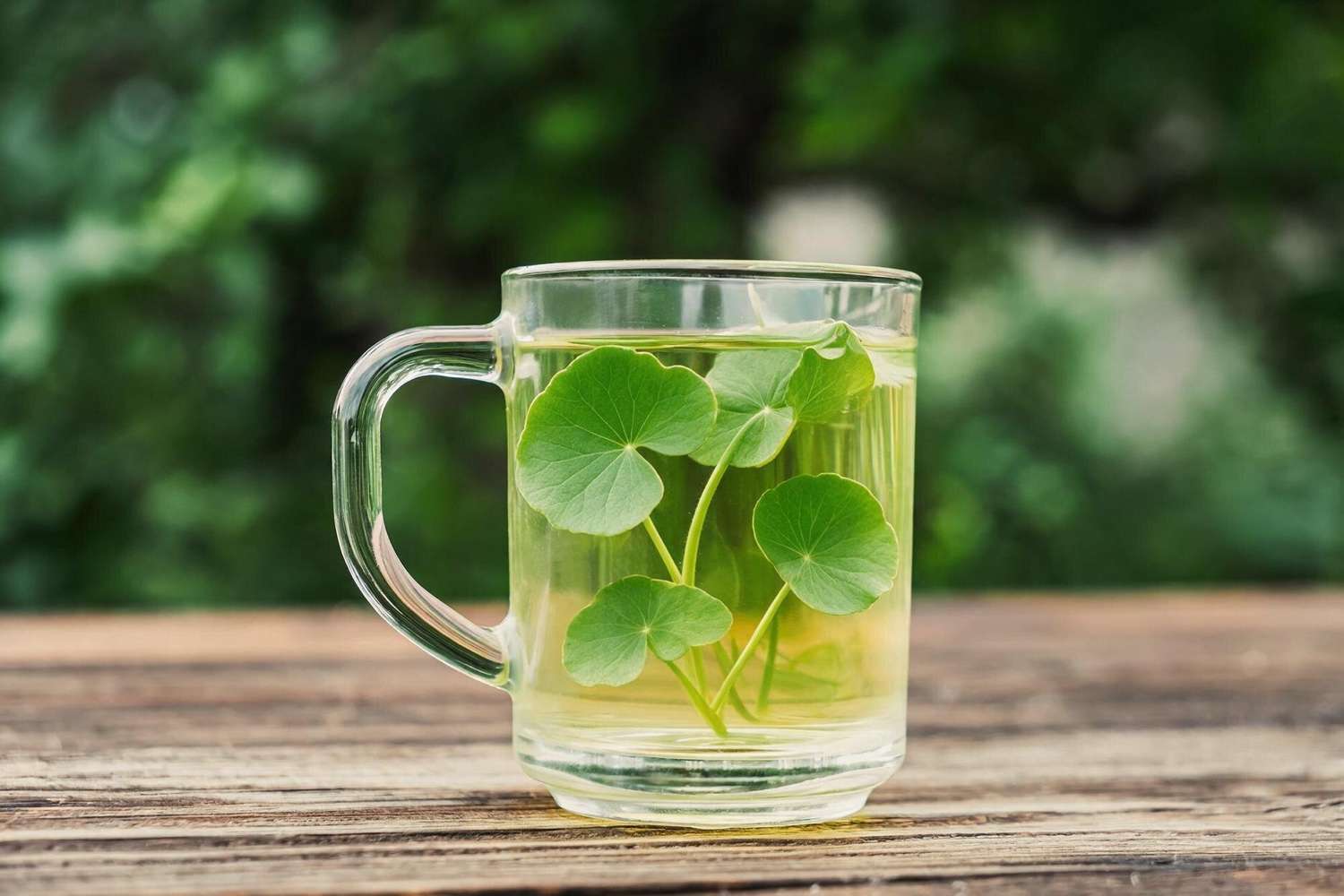
Gotu Kola: Benefits, Traditional Uses & the Science Behind Centella asiatica
Some botanicals become popular because of a trend.
Others have endured for centuries.
Gotu Kola is one of them.
Known scientifically as Centella asiatica, Gotu Kola is a small green botanical with a remarkably long history of use throughout Asia. It has been part of traditional Ayurvedic and Chinese botanical practices for generations and today is increasingly found in wellness formulations, skincare products, supplements and functional beverages.
Its reputation spans an unusually broad range of wellness interests — from memory and mental alertness to circulation, skin health, collagen formation, antioxidant activity and the body’s natural inflammatory response.
Modern research is now beginning to investigate many of the same properties that made Gotu Kola noteworthy long before laboratories could identify its individual phytochemicals.
So what does Gotu Kola actually do?
And which of its potential benefits are supported by science?
What Is Gotu Kola?
Gotu Kola is a creeping perennial plant belonging to the Apiaceae botanical family.
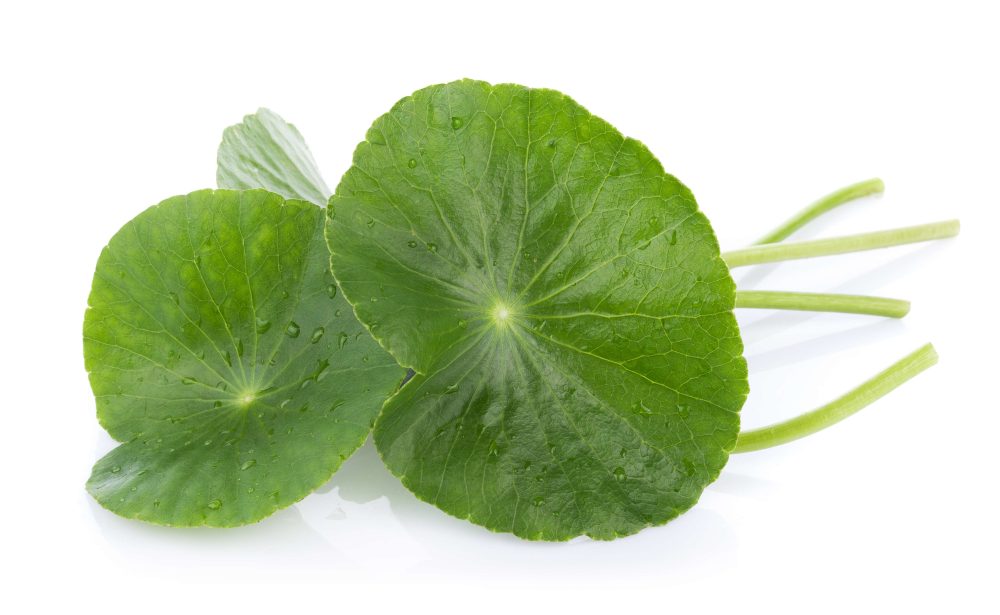
It grows naturally in warm, moist regions of Asia and other tropical and subtropical areas and is recognizable by its small, rounded green leaves.
It is also sometimes called:
- Indian pennywort
- Asiatic pennywort
- Tiger grass
- Centella
Despite its name, Gotu Kola is unrelated to kola nut and is not naturally caffeinated.
That is an important distinction because the word “kola” can suggest a stimulant. Gotu Kola is an entirely different botanical.
Researchers have identified more than 100 constituents in Centella asiatica, including flavonoids, sterols and a particularly important group of pentacyclic triterpenes.
Among the most studied are:
- Asiaticoside
- Madecassoside
- Asiatic acid
- Madecassic acid
These naturally occurring plant compounds are central to much of the modern research surrounding Gotu Kola.
Potential Benefits of Gotu Kola
The benefits associated with Gotu Kola span both centuries of traditional use and a growing body of modern scientific investigation.
It is important to separate the two.
Some areas have human clinical research behind them. Others are supported primarily by laboratory or animal studies and should therefore be viewed as promising areas of investigation rather than proven outcomes.
Here are the areas receiving the greatest scientific attention.
1. May Support Healthy Circulation
One of the more interesting areas of human research involving Gotu Kola concerns microcirculation and venous function.
A systematic review examining eight studies of Centella asiatica in people with chronic venous insufficiency found improvements in several measures of microcirculation, including ankle swelling and other vascular parameters. Some studies also reported improvements in sensations such as leg heaviness, discomfort and edema.
The researchers concluded that Gotu Kola may be beneficial for improving signs associated with chronic venous insufficiency, although they also cautioned that the quality of several studies was limited.
That research has helped make circulation one of the most frequently discussed potential benefits of Gotu Kola.
2. Supports Research Into Skin Health and Collagen
Gotu Kola has developed an especially strong reputation in modern skincare.
That is not simply because it is fashionable.
Research involving Centella asiatica and its major triterpenes has investigated their relationship with fibroblast activity and collagen synthesis — both essential components of normal skin structure and repair.
Studies suggest that Gotu Kola constituents can influence pathways involved in collagen formation, tissue regeneration and cellular repair.
This is one reason Centella has become such a prominent botanical ingredient in contemporary skin formulations.
3. May Support the Body’s Natural Wound-Healing Processes
Perhaps one of Gotu Kola’s most extensively investigated properties involves tissue repair.
A 2022 systematic review examining clinical studies of Centella asiatica found evidence suggesting potential benefits across several aspects of wound healing, including:
- wound contraction
- granulation
- re-epithelialization
- healing time
- skin appearance
- collagen-related processes
Researchers proposed that some of these effects may involve increased production of collagen and growth factors involved in tissue repair.
Additional research has linked Gotu Kola compounds with fibroblast proliferation, collagen synthesis and cellular migration during the repair process.
Much of the most direct wound-healing research involves topical extracts rather than drinking Gotu Kola as tea, so those findings should not be treated as equivalent.
But they reveal something important about the plant’s biology.
4. Provides Naturally Occurring Antioxidant Compounds
Gotu Kola contains numerous naturally occurring phytochemicals, including flavonoids and triterpenes that have demonstrated antioxidant activity in laboratory research.
Antioxidants help scientists understand how botanical compounds interact with oxidative stress, the imbalance that occurs when reactive molecules exceed the body’s ability to neutralize them.
Oxidative stress is part of normal biology but is also an important area of investigation in aging, cellular health and numerous disease processes.
Laboratory and preclinical research involving Gotu Kola has repeatedly examined these antioxidant properties.
5. May Help Support a Healthy Inflammatory Response
Researchers are also studying Gotu Kola for its influence on inflammatory pathways.
Experimental research involving Centella asiatica and its constituent compounds has observed changes in inflammatory signaling molecules and enzymes.
A systematic review focused on wound healing noted reductions in several inflammatory mediators in experimental research involving Centella.
That does not mean drinking Gotu Kola tea “treats inflammation.”
It means the plant contains biologically active compounds whose relationship with the body’s inflammatory response continues to be studied.
6. Has a Long Association With Memory and Cognitive Wellness
Gotu Kola has perhaps been best known traditionally as a botanical associated with the mind.
Its historical reputation includes memory, concentration and mental clarity, which eventually led researchers to investigate its potential cognitive effects.
The results so far are intriguing but mixed.
A systematic review and meta-analysis found that Gotu Kola did not demonstrate significant improvements across overall cognitive function compared with placebo.
However, individual findings suggested possible effects involving working memory, alertness and certain mood measures. Researchers concluded that more well-designed studies using standardized preparations are necessary.
That distinction is important.
Gotu Kola has an impressive traditional reputation for cognitive wellness, but modern research has not yet established it as a proven cognitive enhancer.
7. May Support Mental Alertness
One particularly interesting finding from human research involved alertness.
The systematic review examining cognition and mood found an improvement in self-reported alertness in some participants using Gotu Kola preparations.
That makes Gotu Kola especially interesting from the perspective of functional botanical formulation.
Unlike caffeine, which directly stimulates the central nervous system, Gotu Kola’s traditional association with the mind exists without the botanical itself being a caffeine source.
8. Being Studied for Stress and Mood
Gotu Kola has also been investigated for its potential relationship with stress, anxiety and mood.
A small clinical study involving 33 participants using a concentrated Centella asiatica extract reported improvements in several psychological measures, including anxiety and perceived stress after treatment.
However, the study was small and considerably more research is needed before firm conclusions can be made.
A broader review of plant-based interventions for anxiety also identified Centella as one of several botanicals with preliminary human evidence, while emphasizing methodological limitations across much of the research.
So while Gotu Kola should not be presented as an anxiety treatment, its relationship with mood and stress remains an active area of botanical research.
9. Being Investigated for Neuroprotective Properties
Gotu Kola’s phytochemicals have also attracted considerable attention in neurological research.
Laboratory and animal studies have investigated its potential influence on mechanisms involving:
- oxidative stress
- neuronal signaling
- mitochondrial function
- inflammatory pathways
- cellular protection
These findings are among the reasons Gotu Kola continues to attract interest in research involving brain health and aging.
However, much of this evidence remains preclinical and should not be interpreted as proof that Gotu Kola prevents or treats neurological disease.
10. May Support Connective Tissue Biology
Because Gotu Kola compounds appear to influence fibroblasts and collagen production, researchers have also explored the plant in relation to connective tissue.
Collagen is not simply associated with skin.
It is a major structural protein throughout the body.
The relationship between Gotu Kola’s triterpenes and collagen biology therefore helps explain why the plant appears repeatedly in research involving skin, wounds and vascular tissues.
Why Are Asiaticoside and Madecassoside So Important?
Two compounds appear again and again in discussions of Gotu Kola:
asiaticoside and madecassoside.
Along with asiatic acid and madecassic acid, they belong to the triterpene family of compounds believed to contribute substantially to Centella’s biological activity.
Research involving these compounds has examined mechanisms related to:
- collagen synthesis
- tissue repair
- antioxidant activity
- inflammatory signaling
- neuronal health
- vascular function
This complexity is one reason Gotu Kola is such an interesting botanical.
It isn’t defined by one isolated chemical.
It contains an intricate matrix of naturally occurring plant compounds.
Traditional Uses
Long before modern clinical trials, Gotu Kola occupied an important place in traditional botanical systems.
Historically, various preparations of the plant were associated with areas including:
- memory and mental clarity
- vitality and longevity
- skin and wound care
- circulation
- nervous-system wellness
- general rejuvenation
Historical use does not prove clinical effectiveness.
But it often provides an important starting point for scientific investigation.
In the case of Gotu Kola, many of the properties now being studied — cognition, circulation, skin biology and tissue repair — overlap intriguingly with the plant’s traditional reputation.
A Whole Botanical — And That Matters
There is an important consideration whenever we talk about research on botanicals.
Not every form of Gotu Kola is the same.
Researchers may study:
- whole leaves
- dried plant material
- water extracts
- alcohol extracts
- standardized triterpene extracts
- isolated phytochemicals
- topical formulations
A concentrated standardized extract cannot automatically be compared with drinking the whole botanical in tea.
Even commercial botanical products may vary substantially from preparations used in clinical research. NCCIH specifically cautions that dietary supplements available to consumers can differ materially from products tested in scientific studies.
That is why we believe ingredient transparency matters.
The plant matters.
The form matters.
The concentration matters.
The quality matters.
And the evidence should always be interpreted accordingly.
Why We Use Gotu Kola
At Pure & Easy Tea, ingredients do not earn their place simply because they are popular.
They must contribute to the purpose of the formulation.
Gotu Kola is compelling because it sits at an unusual intersection of traditional botanical knowledge and continuing scientific investigation.
Its natural triterpenes and phytochemicals have inspired research involving circulation, skin and collagen biology, tissue repair, antioxidant activity, inflammatory pathways and neurological wellness.
That makes it a particularly interesting botanical for thoughtfully formulated functional tea.
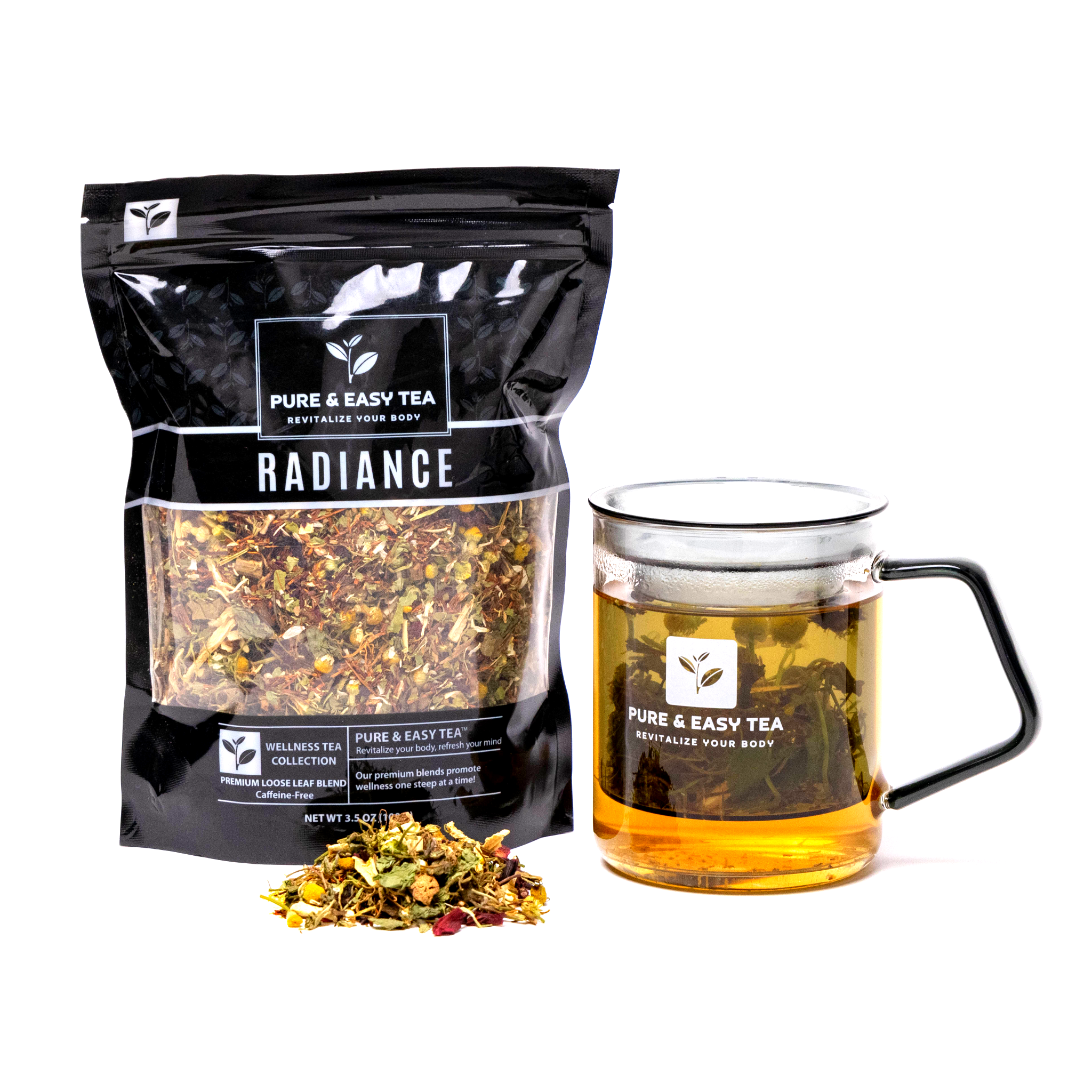
You will find Gotu Kola in select Pure & Easy Tea blends including Radiance and EnduraBoost, where it works as one component of a broader botanical formulation.
We do not believe functional tea should depend upon a single sensational ingredient.
Botanicals should work together with purpose.
Is Gotu Kola Safe?
Gotu Kola has also been consumed as food in some regions and is generally regarded as well tolerated, but botanical does not automatically mean risk-free.
The National Library of Medicine’s LiverTox database reports that Centella asiatica has been associated with rare cases of clinically apparent liver injury, although such reports are uncommon and some involved commercial preparations where other contributing factors could not be excluded.
Anyone who is pregnant, nursing, has a medical condition, takes medications or regularly consumes concentrated botanical supplements should discuss their use with an appropriate healthcare professional.
Herbal products can also interact with medicines, which is why NCCIH recommends discussing supplements and botanicals with healthcare providers when medications are involved.
A Botanical That Has Endured
Perhaps the most compelling thing about Gotu Kola is not any single benefit.
It is the breadth of the plant’s story.
For generations, people valued this modest green botanical without knowing the words asiaticoside, madecassoside or asiatic acid.
Modern science can now isolate those compounds, examine their molecular behavior and investigate the mechanisms behind a plant humans have interacted with for centuries.
Some traditional claims may ultimately prove meaningful.
Others may not.
That is how science works.
But Gotu Kola has already earned something remarkably difficult to manufacture:
centuries of human curiosity followed by continuing scientific interest.
At Pure & Easy Tea, that is the kind of botanical we believe is worth understanding.
Real plants.
Real ingredients.
Purposeful formulation.
No artificial or natural flavorings disguising what is actually in the cup.
What you see in the bag is what you smell and taste.
Tea As It Was Meant To Be.
Keep reading