
What Makes Tea Premium?
Beautiful packaging can make tea look premium. A high price can make tea feel premium. But neither tells you very much about what is actually in your cup.
Walk down a tea aisle today and you will see the word premium everywhere.
Premium tea. Luxury tea. Artisan tea. Handcrafted tea. Exceptional tea.
The boxes have become more beautiful. The blend names have become more imaginative. The stories have become more elaborate.
But there is a question consumers should be asking:
What actually makes the tea premium?
It is a question I have spent a great deal of time thinking about while building Pure & Easy Tea.
And I have come to believe that premium tea shouldn’t be defined by what a company says about its product.
It should be defined by what the tea itself reveals.
Open the package.
Look at the ingredients.
Smell them.
Steep them.
Taste what ends up in your cup.
That is where quality ultimately has to prove itself.
Here are seven standards I believe matter far more than the packaging.
1. You Should Be Able to See What You’re Drinking
Before brewing a tea, look at it.
That sounds remarkably simple, but it can tell you a great deal.
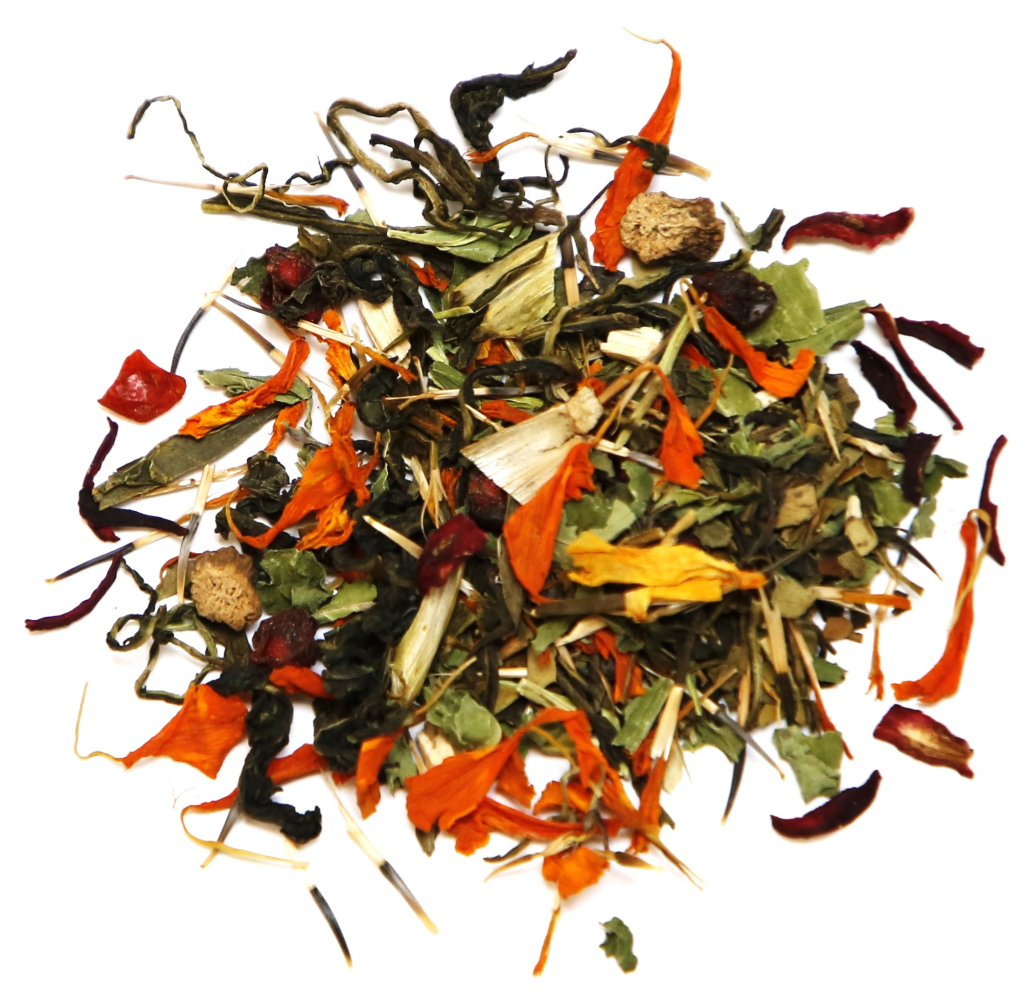
Can you distinguish the tea leaves, herbs, flowers, fruit, roots and spices listed on the ingredient panel?
Do the ingredients look vibrant and recognizable?
Or does the blend mostly consist of tiny particles, powder and material you cannot identify?
In traditional tea evaluation, the appearance and condition of the finished leaf are meaningful indicators of quality. Specialty tea evaluators examine characteristics such as leaf condition, uniformity, processing, aroma and ultimately taste.
Not every excellent tea will contain enormous, perfectly intact leaves. Tea styles differ, and some processing methods intentionally create smaller particles.
But the underlying principle matters:
Quality should be visible.
The same philosophy becomes even more important with botanical blends.
If a blend says it contains hibiscus, ginger, rose, lemongrass or fruit, you should reasonably expect to see evidence of those ingredients.
At Pure & Easy Tea, we often describe this with a very simple idea:
What you see in the bag should be what you smell and taste in the cup.
That transparency is one of the first things I look for in a premium tea.
2. Ask Where the Flavor Actually Comes From
This may be the most overlooked question in modern tea.
When you open a package and encounter a powerful aroma—vanilla, peach, blueberry, mango, cinnamon, caramel or something else—what created it?
Consumers often assume the answer is obvious.
It isn’t always.
A tea’s flavor can come from the tea itself, from herbs, spices, fruits and flowers, or from added flavoring.
Those are very different ways of creating a cup of tea.
This does not mean that a flavored tea is automatically a poor-quality tea. It means consumers deserve to understand what is producing the experience they are buying.
For us, that distinction became fundamental.
We made the decision to formulate our blends without added natural or artificial flavorings. Instead, we rely on tea leaves and real botanical ingredients to create aroma, flavor and complexity.
That approach is considerably less convenient.
Nature does not always deliver the same exaggerated aroma that flavoring can produce the moment a package is opened.
But it creates something we value more:
integrity between the ingredient list and the cup.
When evaluating a tea, turn the package around.
Read the ingredients.
Don’t just ask, What does this tea taste like?
Ask:
Why does it taste that way?
That one question can completely change the way you shop for tea.
3. Premium Ingredients Should Have a Reason for Being There
A long ingredient list does not automatically make a sophisticated blend.
Neither does an exotic-sounding one.
One of the great temptations in tea formulation is to add ingredients because they sound impressive on a package.
The better question is:
What is each ingredient doing here?
Sometimes its role is flavor.
Sometimes aroma.
Sometimes body.
Sometimes color.
Sometimes balance.
Sometimes it is included because it has a long history of culinary or traditional use.
And sometimes an ingredient provides contrast that allows another ingredient to become more expressive.
That is formulation.
A well-designed blend should feel intentional rather than crowded.
Consider cooking.
Adding twelve expensive ingredients to a dish does not guarantee a better meal. A great chef understands proportion, interaction, restraint and balance.
Tea deserves the same consideration.
This becomes particularly important in the wellness category, where consumers routinely encounter blends containing an impressive collection of botanicals accompanied by an equally impressive name.
An ingredient appearing on a label, however, isn’t the same thing as a thoughtfully constructed formulation.
Premium blending should be purposeful.
Every ingredient should earn its place in the cup.
4. Sourcing Matters—But Specificity Matters More Than Storytelling
Tea is agricultural.
That means geography matters.
Climate matters.
Elevation can matter.
Cultivar matters.
Harvest conditions matter.
Processing matters.
And the skill of the people handling the leaf matters enormously.
Professional specialty-tea evaluation can consider information including origin, harvest, cultivar and processing when assessing a tea.
But there is another side to sourcing that I think deserves attention.
The tea industry loves romantic language.
You’ll read about mist-covered mountains, ancient gardens, pristine valleys and generations of craftsmanship.
Some of those stories are completely legitimate.
But beautiful sourcing language should never become a substitute for actual knowledge about a product.
There is a difference between traceability and storytelling.
When origin materially contributes to the character of a tea, a premium company should understand that origin.
For example, matcha from Uji, Japanese green tea, Chinese white tea and Indian black tea can each carry traditions, processing methods and characteristics deeply connected to place.
But specificity should serve understanding—not merely make a package sound expensive.
Premium sourcing means asking better questions:
Where did this ingredient come from?
Why was this particular ingredient selected?
Does origin meaningfully affect its quality or character?
What happened to it between harvest and the finished cup?
The answers matter more than the adjectives.
5. Processing Can Be Just as Important as the Ingredient
Tea is an extraordinary example of how dramatically processing can transform a plant.
White, green, oolong and black tea can all begin with leaves from Camellia sinensis.
What happens after harvest helps create remarkably different results.
Withering, rolling, oxidation, heating, drying and other production decisions influence aroma, color, body and flavor.
Even after processing, handling matters.
Tea is sensitive to moisture, odors, heat and storage conditions. Poor handling can diminish the quality of excellent raw material before the consumer ever opens the package.
This is another reason ingredient quality alone isn’t enough.
You can begin with excellent material and mistreat it.
You can also begin with humble-looking ingredients and handle them exceptionally well.
Premium tea requires attention throughout the journey:
selection → processing → blending → storage → packaging → brewing
There is no single moment when quality happens.
It has to survive the entire process.
6. Transparency and Testing Should Be Part of Premium
This is not the glamorous side of tea.
It doesn’t photograph particularly well.
But it matters.
Tea companies sell agricultural products that travel through complex global supply chains.
Responsible sourcing therefore requires more than finding something that tastes good.
A premium brand should care about understanding its ingredients, its manufacturing partners and appropriate quality controls.
Testing requirements can vary depending on the ingredient, market, supplier and product, so there isn’t one universal laboratory test that magically defines a premium tea.
Nor should a company imply that testing can eliminate every conceivable risk.
But there is a larger principle here:
Premium should include responsibility.
Consumers increasingly want to know what is in the products they buy, where ingredients come from and what standards the companies behind them are willing to uphold.
I believe that is healthy for the tea industry.
Transparency creates accountability.
And accountability ultimately raises the standard for everyone.
7. Ultimately, the Cup Has the Final Vote
We can discuss origins, leaves, ingredients, sourcing and processing all day.
Eventually, however, you have to add water.
There is a reason sensory evaluation remains an important part of professional tea assessment.
The International Organization for Standardization even maintains a standardized method—ISO 3103—for preparing tea liquor for sensory testing so samples can be evaluated under consistent conditions.
Because ultimately tea is a sensory experience.
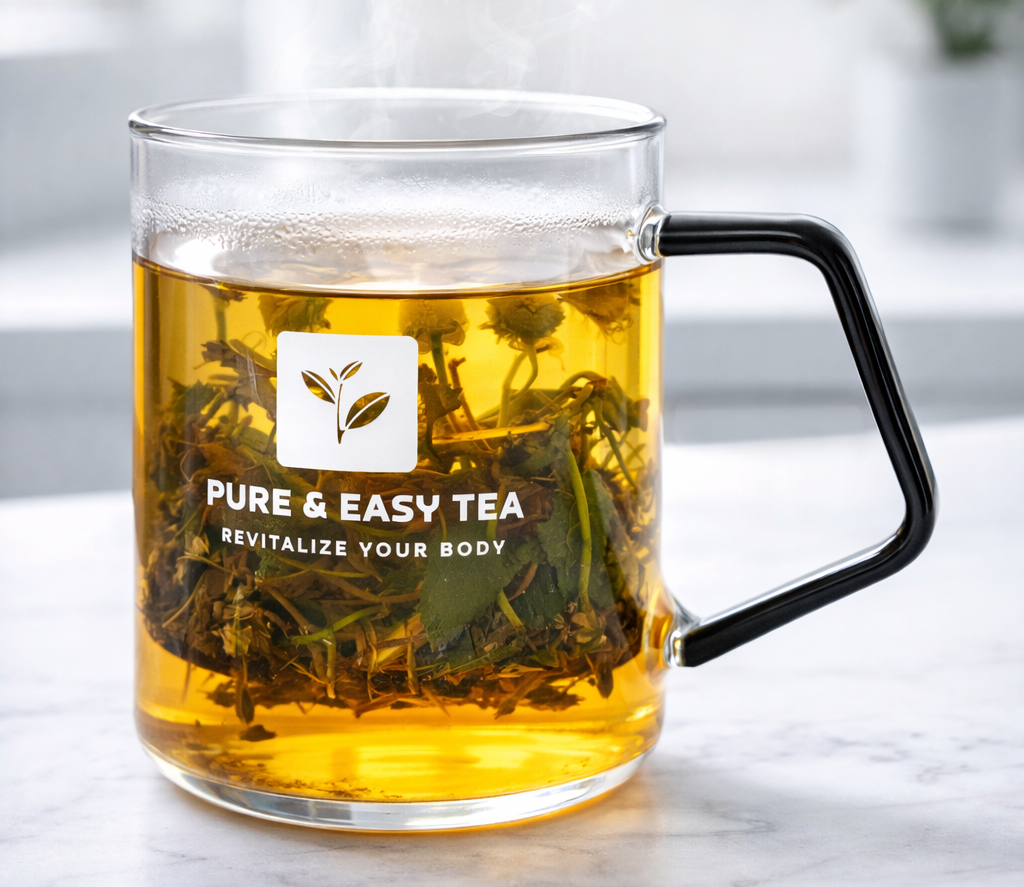
Look at the liquor.
Smell the aroma.
Take a sip.
Notice the body.
Notice the balance.
Notice the finish.
Does one ingredient overwhelm everything else?
Does the flavor disappear immediately?
Does the aroma promise something the cup never delivers?
Is it excessively bitter or astringent when brewed appropriately?
Or does the tea reveal layers as you drink it?
With botanical blends, ask another question:
Can you recognize the ingredients you saw before brewing?
That connection fascinates me.
You begin with leaves, flowers, fruit, roots and spices.
Then hot water transforms them into something completely different while somehow preserving their identity.
When it works, you don’t simply taste “flavor.”
You experience ingredients interacting with one another.
That is what blending should accomplish.
And no amount of branding can manufacture that once the water hits the tea.
So, What Does “Premium Tea” Actually Mean?
There is no single universally accepted definition of what makes tea premium.
Perhaps that is part of the problem.
The word has become easy to print.
But I believe we can demand more from it.
To me, premium tea means:
Ingredients you can recognize.
Flavor you can understand.
Formulation with purpose.
Sourcing with substance behind the story.
Processing and handling that respect the ingredient.
Transparency and responsible quality practices.
And, ultimately, a remarkable cup of tea.
Notice what isn’t on that list.
A beautiful box.
A luxury-sounding name.
An expensive price.
Those things can accompany an extraordinary tea. There is nothing wrong with beautiful packaging; we care deeply about presentation ourselves.
But presentation should celebrate the product.
It should never have to compensate for it.
That distinction is increasingly important in an industry where marketing can create almost any perception imaginable.
Tea gives us a wonderfully simple way to cut through all of it.
Open the package.
Look inside.
Read the ingredients.
Add water.
And let the tea tell you what it is.
Prefer the One-Minute Version?
Watch Episode 8 of The Pure & Easy Minute: What Makes a Tea Premium?
See all Pure & Easy Minute episodes »
A Founder’s Perspective
When we started Pure & Easy Tea, I wasn’t interested in creating another collection of clever flavor names.
I wanted to better understand what we were actually putting into people’s cups.
That led us toward a philosophy that has become increasingly simple over time: search for exceptional tea and botanical ingredients, combine them with purpose, don’t rely on added flavorings to manufacture the experience, and allow the ingredients themselves to do the talking.
We certainly don’t claim to have invented premium tea.
Tea has been cultivated, prepared and appreciated for centuries, and there will always be more for us to learn.
But we can choose the standard we are willing to pursue.
Ours begins with a question:
If we stripped away the package, the marketing and the name, would we still be proud of what was left in the cup?
That’s the standard that matters to me.
Because premium shouldn’t be something we print on a box.
It should be something you can taste.
Carmine Del Sordi
Founder, Pure & Easy Tea
Keep reading