

The purity paradox is this: somewhere along the way, the tea industry became unrecognizable.
Walk down a supermarket aisle and you’ll find blends that read more like items from a dessert cart than a lineage of ancient botanicals. “Birthday cake” teas. “Caramel swirl” teas. “Banana split” teas. Green teas engineered to taste like sherbet. Black teas dressed up as cookies.
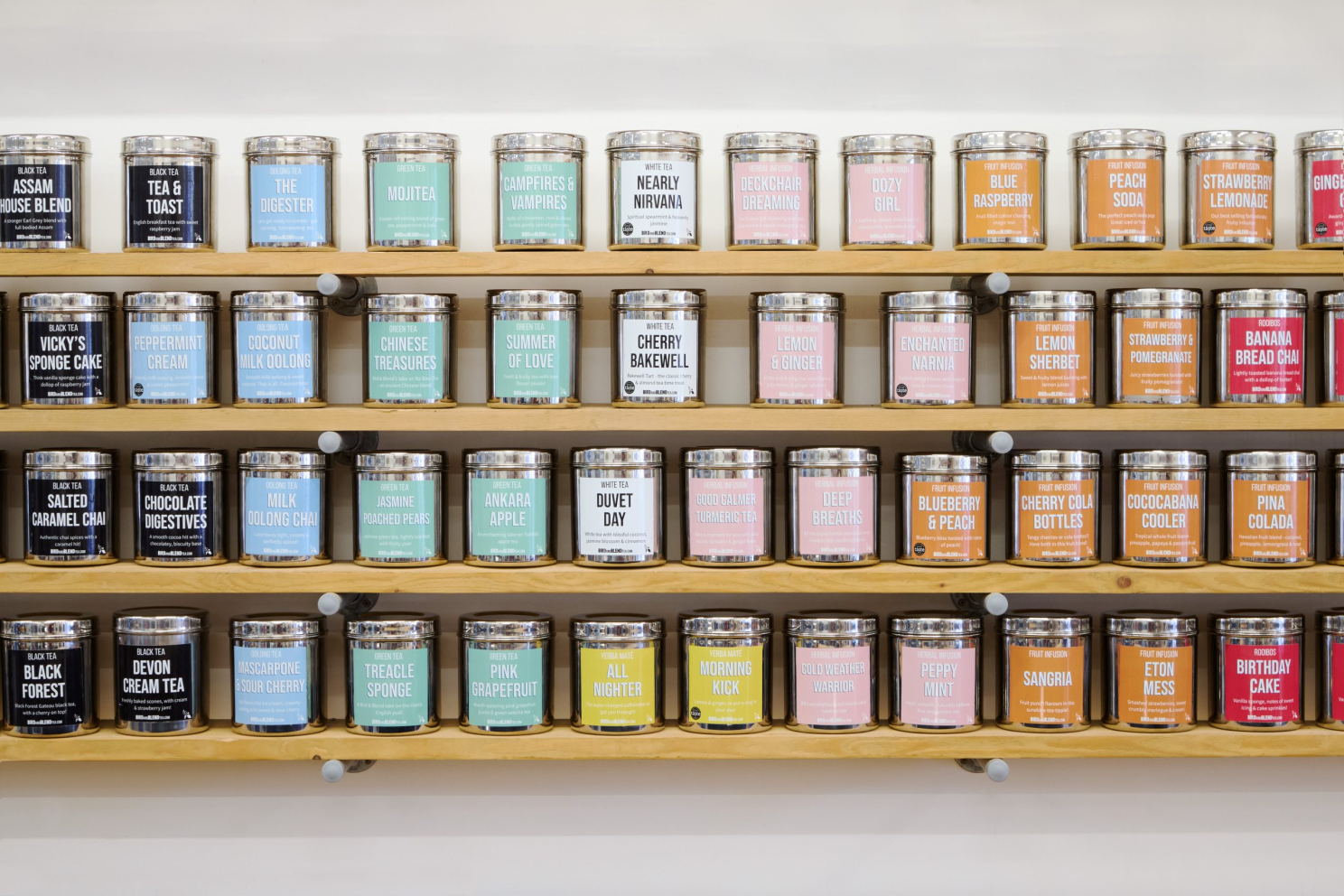
And the more the industry chases novelty, the further it drifts from the very thing that made tea endure for thousands of years: its natural complexity.
It’s ironic — almost poetic in the wrong direction. An industry built on leaves, flowers, and roots now leans heavily on chemical shortcuts to create the illusion of flavor. Instead of elevating nature, many brands mask it.
And in that rush to add more, they’ve forgotten the quiet truth: When you respect nature, it gives you everything you need. This is the purity paradox at the center of everything we do.
What Tea Has Always Been
Tea, herbs, and botanicals don’t need to shout to be understood. Their character comes from the soil they grow in, the climate they survive, the way they’re cultivated and dried. Their flavor is earned, not manufactured.
For centuries, people sought tea not to taste like something else, but to be itself. To calm. To restore. To clarify. To nourish.
There was beauty in its restraint. There was honesty in its simplicity. Today, restraint is almost a lost art.
The Fine Wine Principle
Imagine visiting a winemaker in Burgundy and asking them if they could “make their Grand Cru taste like peach cobbler.”
They wouldn’t get angry. They wouldn’t argue. They would simply smile — because the idea itself misunderstands the craft.
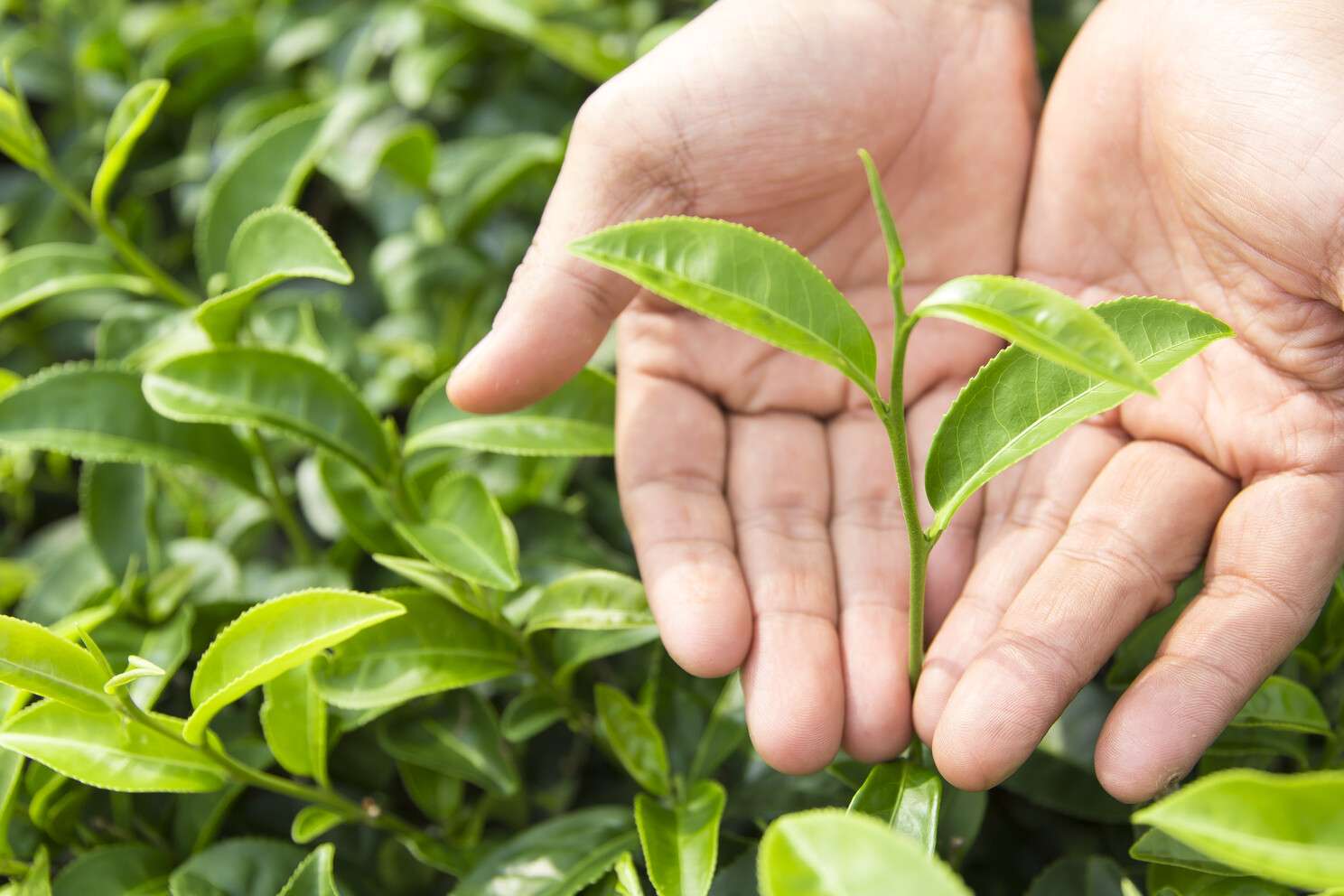
You don’t take something shaped by nature’s hand, something that carries the fingerprint of terroir, and bury it under confection. The value is the purity. The elegance is the restraint. Tea deserves the same respect.
Doing Less Is Not Minimalism. It’s Mastery.
The purity paradox is this: when you strip away what doesn’t belong, what remains becomes extraordinary.
When you remove chemical flavorings, you rediscover the quiet, layered sweetness of real chamomile. When you avoid syrups and artificial essences, you notice the citrus oils naturally present in high-quality lemon verbena. When you allow botanicals to express themselves instead of covering them up, they reveal depths that no laboratory can fabricate.
This isn’t nostalgia. This is craftsmanship — and it’s not just our opinion. Research on clean-label consumer behavior published in IFT’s Food Technology magazine has found that most consumers rate recognizing and understanding a product’s ingredients as genuinely important, and rate chemical-sounding or heavily processed ingredients unfavorably — the purity paradox isn’t a niche preference, it’s what most people actually want once they stop to think about it.
The Consumer Has Not Lost Their Ability to Taste Truth
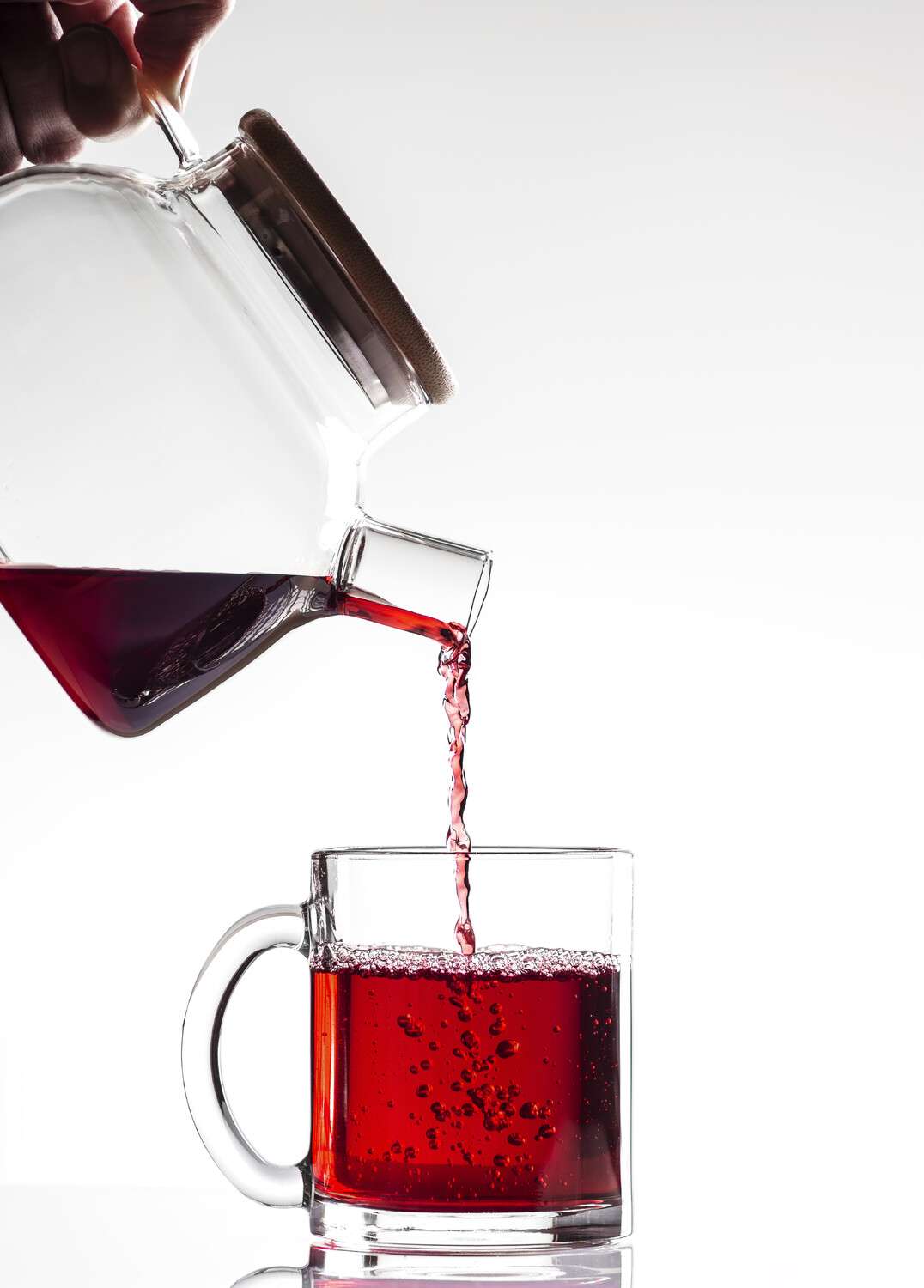
People don’t actually want chemical-laden tea. They want to feel good. They want to drink something real. They want to know what they’re consuming and why.
And once someone experiences the difference — once they taste the honesty of pure ingredients — it’s hard for them to go back. Not because the other teas are “bad,” but because they no longer feel authentic.
We crave what feels true. Even if we can’t articulate it, our bodies know. You can read more about exactly what “pure” means to us on our What Is Pure Tea page.
Where We Choose to Stand
Pure & Easy Tea was not built to out-do dessert. It was built to honor the plant — you can read the full story on our founder page.
We blend with intention, not excess. We chase depth, not gimmicks. We let the botanicals lead, and we follow. It’s the same principle behind every blend in our Wellness and Luxury collections.
Because when purity is protected, flavor emerges naturally. Nutrition remains intact. And the experience becomes something you don’t have to manufacture — only respect.
Doing less is not a limitation. It is a return. A recalibration. A reminder that nature has already done most of the work. All we have to do is stay out of the way — that’s the whole purity paradox, distilled into one cup.
Join the Pure Tea Revolution. Follow us on Facebook and Instagram.
Keep reading