

What if your daily tea ritual did more than warm you up — what if it was quietly supporting your long-term brain health? It’s not just wishful thinking. Real, peer-reviewed research is backing up what tea drinkers have long suspected about brain health and this everyday habit.
The Singapore Chinese Health Study
A study of over 63,000 people from the Singapore Chinese Health Study, published in the American Journal of Epidemiology, found something striking: regular black tea drinkers had substantially lower rates of Parkinson’s disease than non-drinkers — and green tea, in this same study, showed no such association. That distinction matters, because it means the effect isn’t just “tea” in general.
The researchers found the protective effect held even after accounting for caffeine intake and smoking, pointing to compounds unique to black tea — not caffeine — as the likely explanation. Participants in the highest black tea intake group had roughly a 71% lower relative risk of Parkinson’s disease compared to non-drinkers.
What’s Actually in the Cup
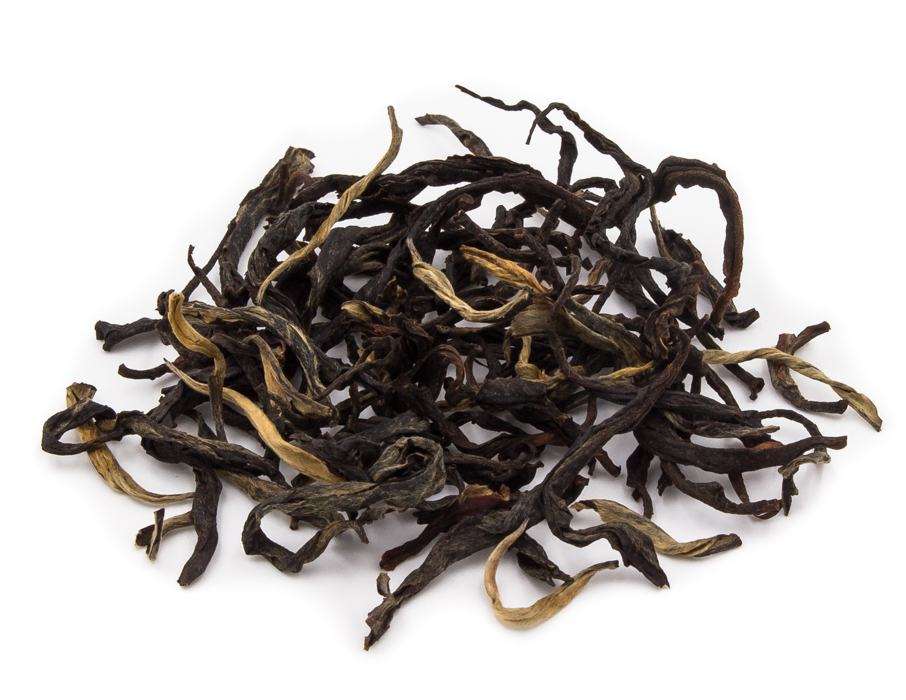
Black tea contains theaflavins — polyphenolic compounds formed during fermentation that don’t exist in green tea, which is why the two teas showed such different results in the same study. A separate lab study on theaflavin, published in Neurochemical Research, found it protected dopamine-producing neurons in an animal model of Parkinson’s disease, offering a possible mechanism behind the epidemiological findings above. It’s worth being precise here: this is early-stage, mechanistic research, not proof that black tea prevents Parkinson’s in people. But it’s a real, credible signal, not a marketing claim invented for a blog post.
Theaflavins only form properly when black tea leaves are allowed to fully oxidize during traditional processing — a step that gets rushed or skipped in a lot of mass-market bagged tea in favor of speed and shelf life. How the leaf is actually processed, not just what type it is, affects how much of these compounds end up in your cup.
Green Tea and Matcha Play a Different Role in Brain Health
Green tea and matcha didn’t show the same Parkinson’s-specific association in that study — but that doesn’t mean they sit on the sidelines for brain health. Green tea is rich in EGCG (epigallocatechin-3-gallate), an antioxidant catechin. A randomized controlled human study found that regular green tea intake measurably lowered lymphocytic DNA damage and increased the activity of a DNA-repair enzyme involved in protecting genome integrity.
Matcha is simply ground whole green tea leaves, so it delivers those same catechins in more concentrated form — you’re consuming the leaf itself rather than an infusion of it.

Why This Matters for How We Make Tea
Findings like these are exactly why we don’t dilute our black and green teas with artificial flavoring or filler. Whatever protective compounds these plants actually carry — theaflavins, catechins, EGCG — they’re only in the cup if the tea itself is whole and unprocessed to begin with. If you want a blend built specifically with focus, clarity, and brain health in mind, our Clever Endeavor tea was formulated around that same category of research.
None of this means a cup of tea replaces medical care or guarantees an outcome — the science here is real but still developing. What it does mean is that a daily tea ritual, built on whole, honest ingredients, is a reasonable, evidence-backed habit to keep for your brain health, not just a pleasant one.
If you’re building this into a daily habit, consistency matters more than any single cup. A study population followed for over a decade is a reminder that these effects show up over years of ordinary drinking, not from one strong pot brewed the week you read an article about it. Brew it the way you’d actually keep drinking it — that’s the version of the research that applies to you.
Keep reading