
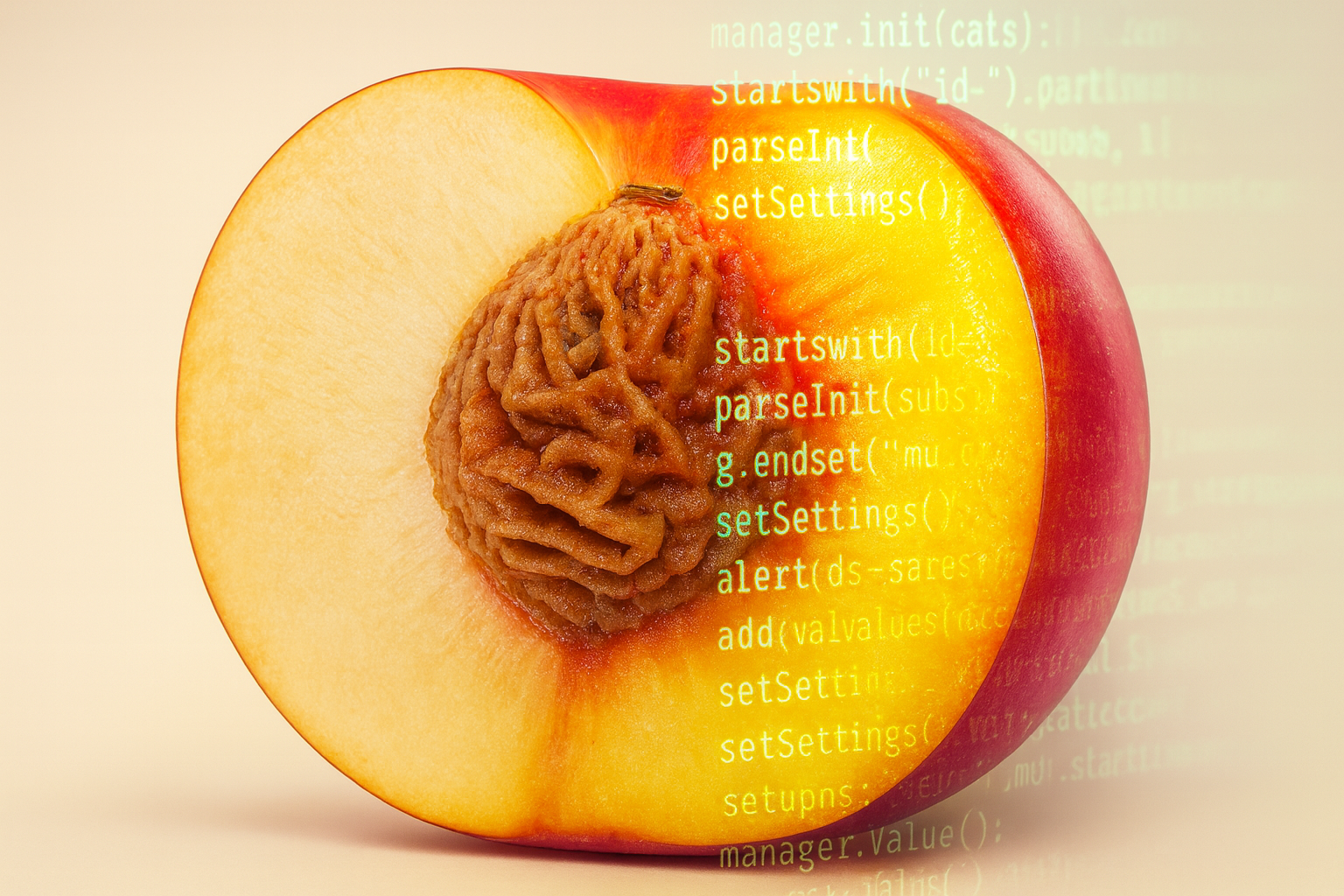
Algorithms shape what we read, watch, and believe. But there’s something far more subtle they influence: what we taste. Not digitally — but chemically. This is the algorithm diet, and most of us are on it without knowing it, one scroll and one sip at a time.
For decades, flavor companies have used their own “taste algorithms” to engineer flavors that are louder than nature. Peach that never met a peach. Strawberry that never saw a farm. “Vanilla” built in a lab from precursors and solvents.
These engineered profiles train our palate to crave intensities real food doesn’t offer. And here’s where it gets even more fascinating: our eyes are being conditioned the same way.
The Algorithm Diet, Explained
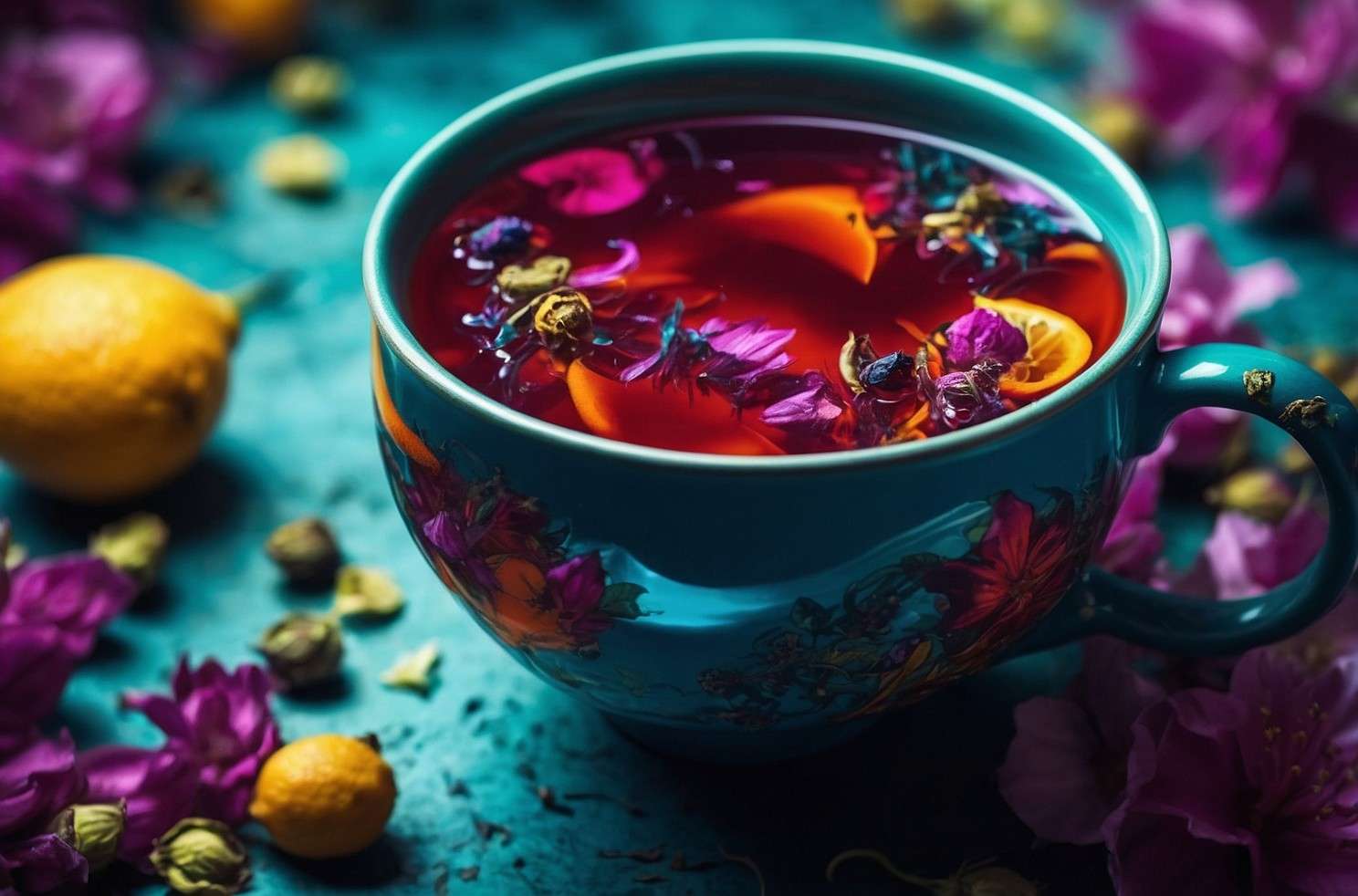
4K screens. HDR. Hyper-saturated AI images. We’re consuming visuals more vibrant than reality itself. A simple fruit becomes flawless. Herbs glow neon green. Tea blends look radioactive with color.
We scroll through these amplified visuals… then expect the same amplification on our tongue. So the flavor industry obliges. Artificial taste intensity rises. Expectations rise with it. And slowly, our senses recalibrate to fiction. Subtlety feels “weak.” Real food feels “bland.” Purity feels “too simple.”
This is how the algorithm diet actually decides what we taste:
- It overstimulates our eyes with unreal imagery.
- It conditions our cravings upward.
- It pushes flavor companies to engineer “hyperreal” taste.
- It detaches our palate from nature.
The Real Science Behind Engineered Flavor
This isn’t just a metaphor. Researchers studying what’s now called “hyperpalatable” food — food engineered with an optimized combination of fat, sugar, salt, and intensified flavor — have found it can activate the same reward pathways in the brain associated with substance dependence, making it genuinely harder to feel satisfied by less-engineered, more natural food. Research on the addiction potential of hyperpalatable foods is one of the studies behind this idea. That’s the mechanism the algorithm diet is quietly running in the background — not just on food, but on tea, drinks, and anything else flavor engineering touches.
It’s worth being precise about what the research does and doesn’t show: this line of study is about engineered combinations of fat, sugar, salt, and intensified flavor broadly, not about tea specifically. We’re citing it because it’s the clearest real-world explanation for why heavily flavored, artificially sweetened products can make honestly simple, whole-ingredient tea taste underwhelming at first — even though nothing is actually wrong with the tea. It’s a recalibration problem, not a purity problem.
Why We Built Pure & Easy Tea Outside the Algorithm
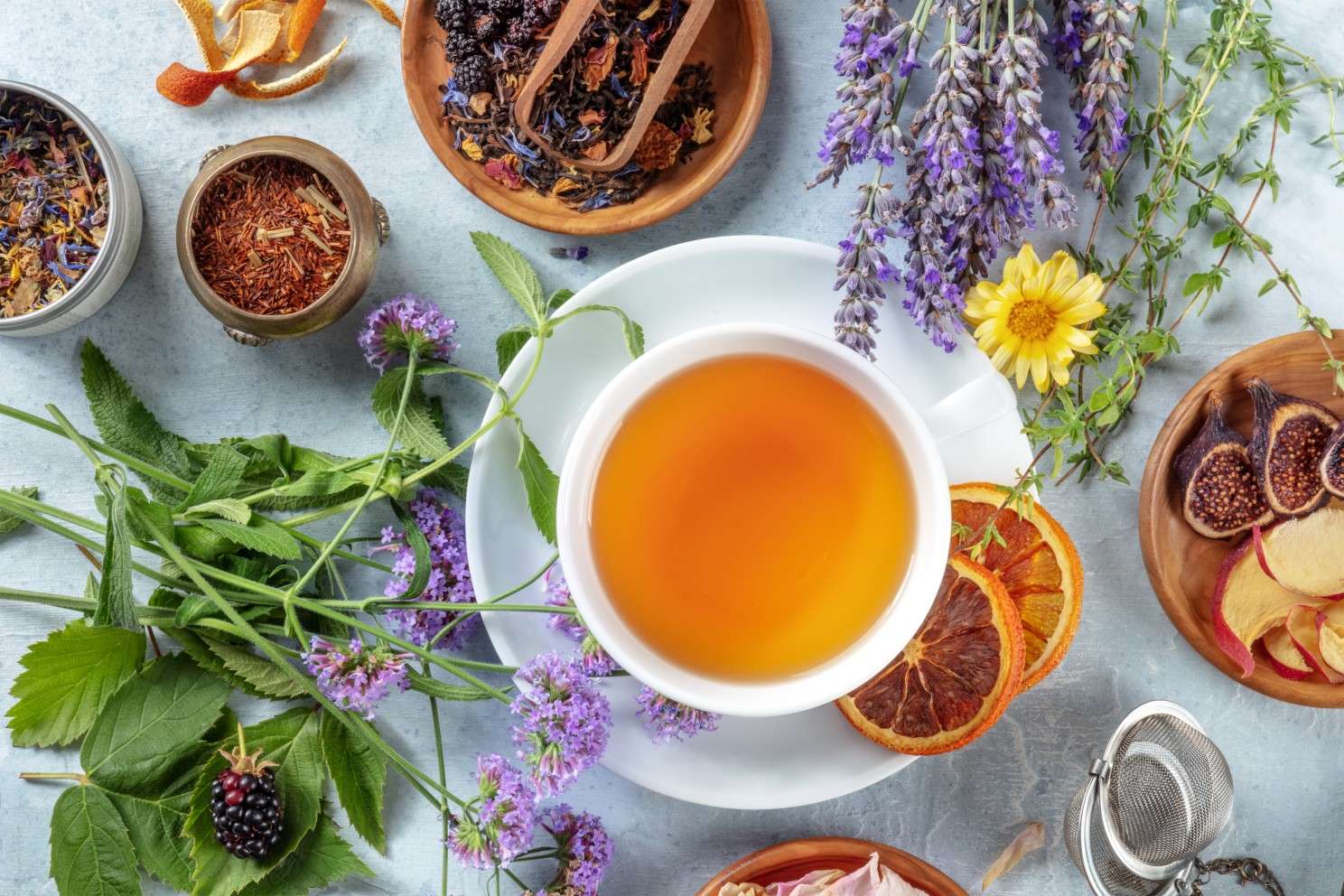
The shift is quiet, but powerful. People are tired of intensity for intensity’s sake — tired of artificial highs, artificial colors, artificial “energy,” artificial flavor. They’re craving grounding. Truth. Calm. Purity. That’s exactly the standard we hold every blend to — you can read more about what that actually means on our What Is Pure Tea page, and about why we started here in the first place on our founder story.
The future belongs to what’s real. To food and beverages that don’t manipulate. To brands that restore the palate instead of hijacking it. To flavor that respects the body — not the algorithm.
Because once you rediscover how real tea, real fruit, and real botanicals actually taste… the artificial version loses all appeal. That’s the whole point of getting off the algorithm diet — and it usually only takes a couple of weeks of drinking honestly-flavored tea before the shift in what tastes “normal” starts to happen. Your palate recalibrates faster than you’d expect once it isn’t being fed exaggerated flavor every single day.
Join the Pure Tea Revolution. Drink pure. Feel strong. Stay sharp. Follow Pure & Easy Tea on Facebook and Instagram.
Keep reading