
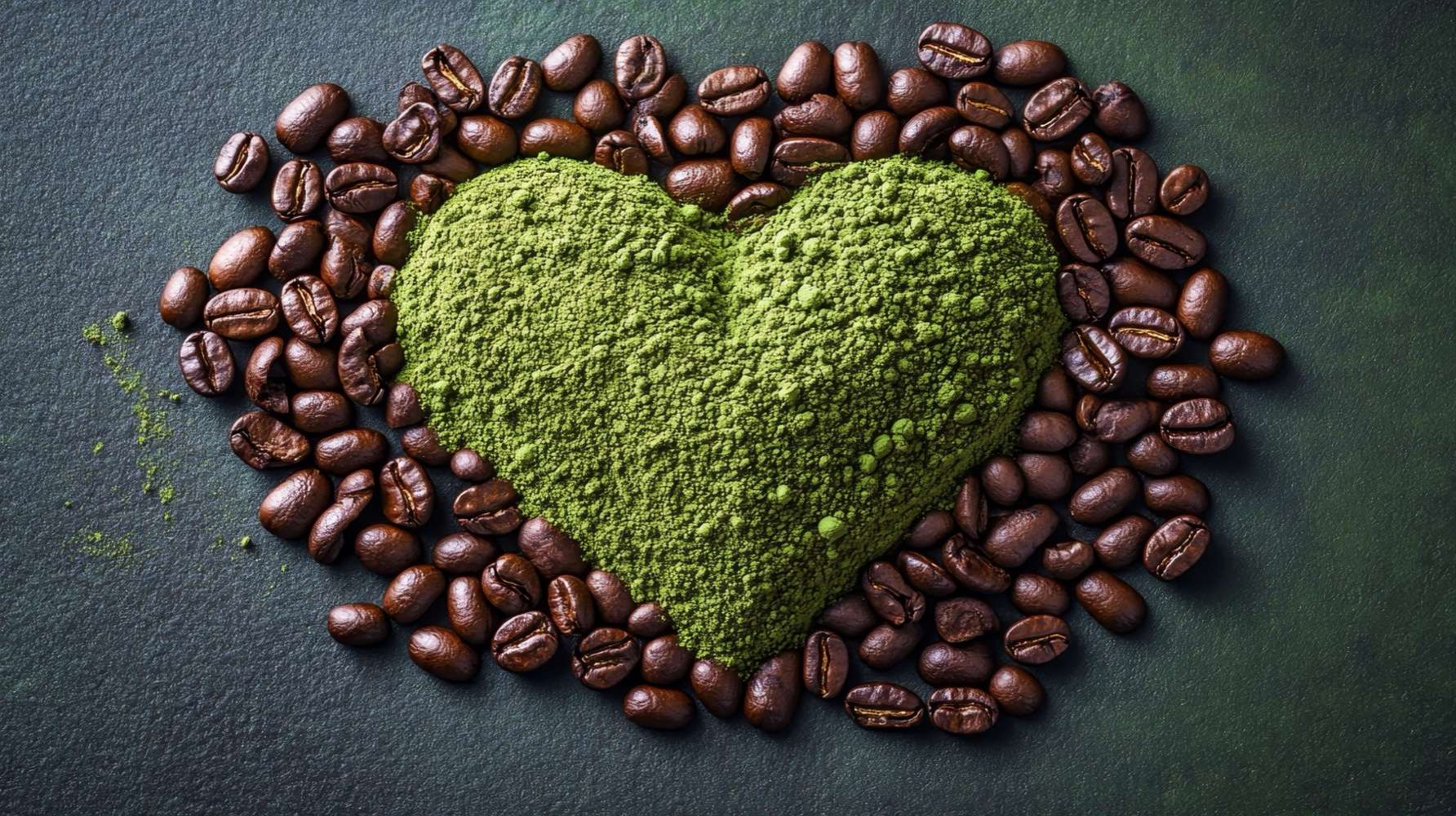
Matcha vs. Coffee: What’s the Difference?
Coffee and matcha often serve the same purpose: a morning ritual, an afternoon reset, or a little extra help when you need to focus.
But beyond the caffeine, they are remarkably different beverages.
Coffee is brewed from roasted coffee beans. Matcha is made from specially grown green tea leaves that are dried, carefully milled into an exceptionally fine powder, and consumed whole.
That distinction changes much more than the color of what is in your cup.
From caffeine and L-theanine to antioxidants, flavor and the way each beverage is experienced, understanding matcha vs. coffee begins with understanding what you are actually drinking.
Matcha vs. Coffee: How Much Caffeine Is in Each?
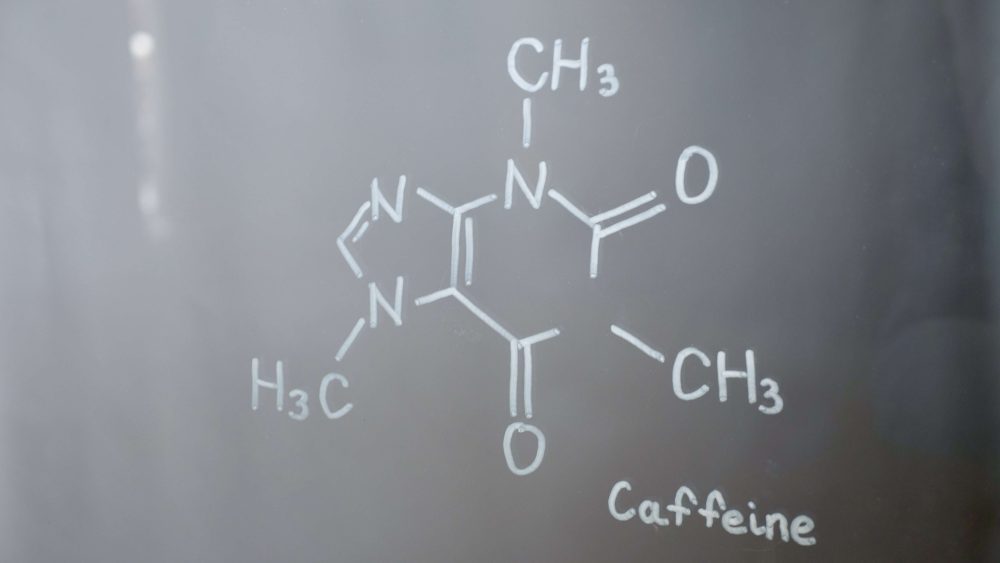
When comparing matcha vs. coffee, caffeine is only part of the story. Both beverages naturally contain caffeine, but the amount, accompanying compounds, and overall experience can differ considerably.
Let’s start with the obvious similarity.
Both coffee and matcha naturally contain caffeine.
According to the FDA, a typical 8-ounce cup of brewed coffee contains roughly 80–100 mg of caffeine, although the amount can vary considerably depending on the beans, serving size and preparation method.
Matcha can contain a substantial amount of caffeine as well. Research has reported approximately 18.9–44.4 mg of caffeine per gram of matcha, meaning the amount in your cup depends greatly on how much matcha you use.
So matcha shouldn’t be thought of as a caffeine-free or even necessarily low-caffeine alternative to coffee.
The more interesting difference is what accompanies that caffeine.
The Matcha Difference: Caffeine Meets L-Theanine
Matcha naturally contains L-theanine, an amino acid found in the tea plant Camellia sinensis.
Traditional matcha production involves shading the tea plants before harvest. This influences the chemistry of the leaves and helps preserve compounds including L-theanine, while contributing to matcha’s characteristic umami flavor.
That matters because researchers have studied caffeine and L-theanine together for their potential effects on attention and cognitive performance.
Research suggests that the combination may support aspects of alertness, attention and cognitive function differently than caffeine alone, although results vary between studies and more research is still needed.
This is one reason many matcha drinkers describe the experience differently from drinking coffee.
You’ll frequently hear matcha described as providing “calm energy” or a more sustained sense of focus.
Those descriptions are useful, but there is an important distinction:
Matcha does not contain a special form of slow-release caffeine.
Caffeine is still caffeine.
What changes is the amount consumed and the collection of other naturally occurring compounds present alongside it — particularly L-theanine.
That is a much more accurate explanation of what makes matcha different.
Matcha vs. Coffee at a Glance
| Matcha | Coffee | |
|---|---|---|
| Source | Green tea leaves (Camellia sinensis) | Coffee beans |
| How it is consumed | The finely milled leaf is suspended in water and consumed | Water extracts compounds from ground roasted coffee beans |
| Caffeine | Naturally occurring; varies with matcha and serving size | Naturally occurring; typically higher per standard cup |
| L-Theanine | Naturally present | Not naturally present in meaningful amounts |
| Major plant compounds | Catechins including EGCG, chlorophyll, amino acids and polyphenols | Chlorogenic acids and other polyphenols |
| Flavor | Vegetal, umami, creamy, sometimes slightly bitter | Roasted, aromatic, bitter, nutty or fruity depending on origin |
| Preparation | Whisked into water; can also be used in lattes | Brewed using drip, espresso, pour-over, French press and other methods |
Neither beverage needs to be portrayed as the villain.
They are simply very different ways of getting caffeine from a plant.
With Matcha, You Consume the Leaf
This may be the most fundamental difference between matcha and conventional brewed coffee — and even between matcha and ordinary brewed green tea.
When traditional tea leaves are steeped, water extracts some of their soluble compounds. The leaves themselves remain behind.
Matcha is different.
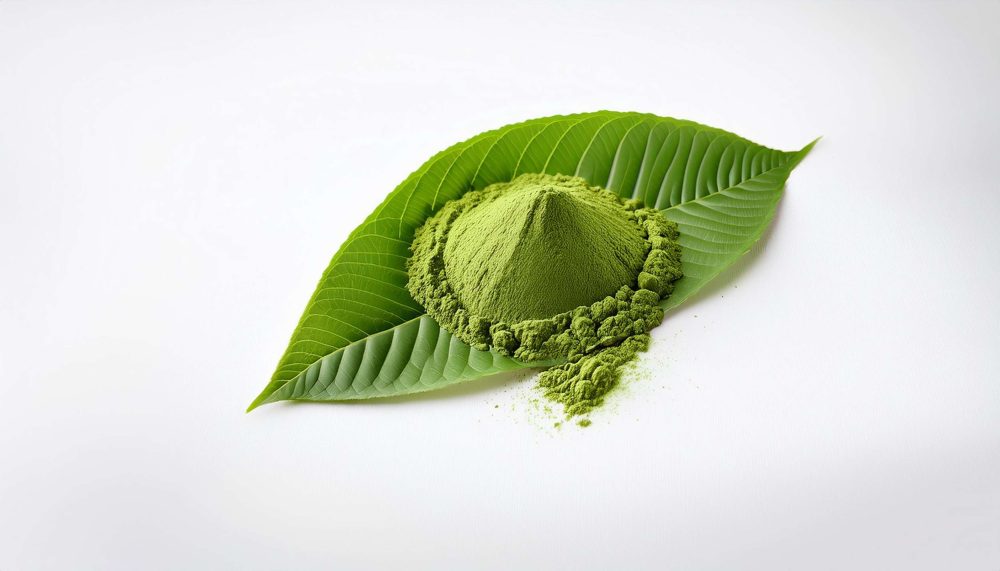
The prepared tea leaf is finely stone-milled into powder, whisked into water and consumed.
In other words, you are consuming the tea leaf itself rather than simply making an infusion from it.
That gives matcha its unusually concentrated botanical character.
Research identifies matcha as a source of several naturally occurring bioactive compounds, including catechins, caffeine, L-theanine, chlorophyll and other polyphenols.
Matcha Is Especially Rich in Tea Catechins
One of the compounds most closely associated with green tea is epigallocatechin gallate, better known as EGCG.
EGCG belongs to a family of plant compounds called catechins.
Green tea contains several major catechins, including EGCG, EGC, ECG and EC, and matcha has attracted scientific attention because of its concentrated composition of these compounds.
Catechins have been extensively studied for their antioxidant activity and their potential role in supporting human health.
That does not mean a bowl of matcha is medicine.
It means that when you drink matcha, you are consuming much more than caffeine.
You are consuming a remarkably complex plant.
Coffee Has Beneficial Plant Compounds Too
Coffee deserves some credit here.
It is also a plant-derived beverage containing numerous naturally occurring compounds, including polyphenols such as chlorogenic acids.
So the choice between matcha and coffee shouldn’t be reduced to:
healthy vs. unhealthy.
For most healthy adults, moderate coffee consumption can be perfectly compatible with a healthy lifestyle.
The FDA notes that up to 400 mg of caffeine per day for most adults is an amount not generally associated with negative effects, although caffeine tolerance and sensitivity vary considerably from person to person.
The better question is:
What kind of experience are you looking for?
If you love the flavor, aroma and ritual of freshly brewed coffee, there is nothing inherently wrong with enjoying it.
But if you’re looking for a caffeinated beverage that also delivers L-theanine, tea catechins and the complete character of a carefully cultivated green tea leaf, matcha is in a category of its own.
What About the Coffee “Crash”?
This is another area where marketing often moves faster than science.
You may have heard that coffee produces a sudden caffeine spike followed by an inevitable crash, while matcha provides hours of perfectly steady energy.
The reality is more nuanced.
Both beverages contain caffeine, and caffeine affects individuals differently.
The amount consumed, your habitual caffeine intake, genetics, sleep, whether you’ve eaten, medications and personal sensitivity can all influence how caffeine feels.
Matcha may contain less caffeine than a large cup of coffee depending on the serving, and its naturally occurring L-theanine distinguishes it chemically from coffee.
That can help explain why some people prefer the subjective experience of matcha.
But promising that everyone will experience “six hours of energy with no crash” goes beyond what the evidence can support.
At Pure & Easy Tea, we think the truth is interesting enough.
Is Matcha Better Than Coffee for Focus?
There is intriguing research here.
Both caffeine and L-theanine have been studied independently, but researchers have also examined what happens when they are consumed together.
Studies suggest the combination can influence certain measures of attention, reaction time and cognitive performance. Research involving matcha itself has produced promising but mixed results, reinforcing the need for additional human studies.
Coffee’s caffeine can certainly increase alertness as well.
The distinction is that matcha naturally brings caffeine and L-theanine together within the tea leaf.
For someone seeking alertness without simply consuming as much caffeine as possible, that combination makes matcha particularly interesting.
Matcha Is Not Simply “Green Coffee”
Matcha has sometimes been positioned as a substitute for coffee.
We think that undersells it.
Authentic matcha represents centuries of Japanese tea cultivation and craftsmanship.
Tea plants destined for matcha are shaded before harvest. The leaves used to produce tencha are processed and ultimately ground into the intensely green powder recognized around the world as matcha.
The cultivation process affects everything from chlorophyll and amino acid composition to flavor, color and aroma.
Exceptional matcha should have depth.
Umami.
Natural sweetness.
Vegetal complexity.
A creamy mouthfeel.
And enough bitterness to remind you that what you’re drinking came from a leaf — not a flavor laboratory.
Matcha vs. Coffee: Which Should You Choose?
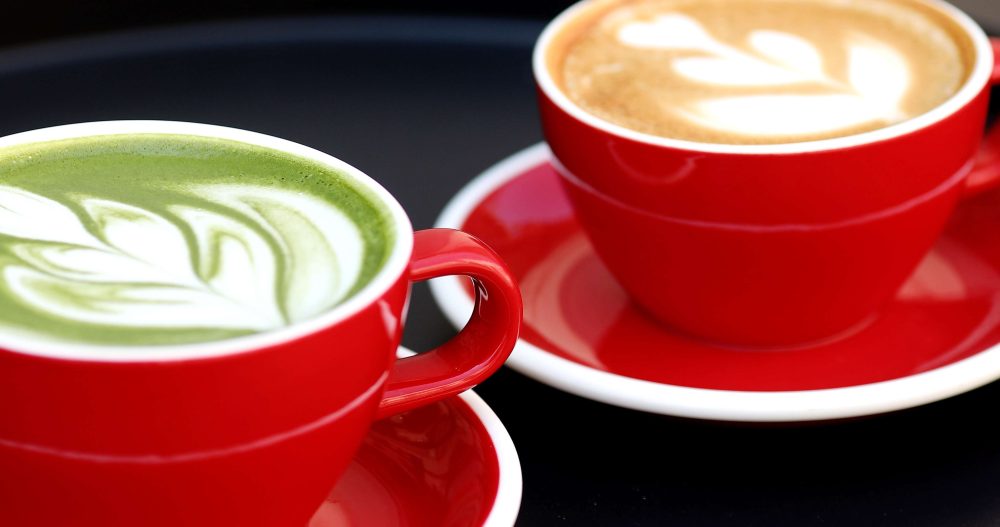
The matcha vs. coffee decision ultimately comes down to the experience you want from your daily ritual.
There doesn’t have to be a winner.
Coffee and matcha can both have a place in your day.
But they offer distinctly different experiences.
Choose coffee because you love coffee.
Choose matcha because you want what matcha uniquely brings to the cup: caffeine together with L-theanine, catechins, chlorophyll and the complex natural chemistry of the whole tea leaf.
And when you choose matcha, quality matters.
Origin matters.
Harvest matters.
Processing matters.
Freshness matters.
Because matcha may look simple — just green powder and water — but producing exceptional matcha is anything but simple.
Our Approach to Matcha
At Pure & Easy Tea, we believe remarkable tea begins with remarkable ingredients.
Our Shades of Green Matcha is sourced from Uji, Kyoto, Japan, one of the world’s most celebrated tea-growing regions. It is organic, first-harvest matcha that is traditionally stone-milled to create the exceptionally fine texture and vibrant character expected from premium Japanese matcha.
Nothing needs to be disguised.
Nothing needs to be artificially flavored.
Just an extraordinary tea leaf, carefully cultivated and prepared to reveal what was already there.
That is tea as it was meant to be.