
The Truth Behind the Label
“For all the tea in China”—it’s a phrase people use to describe something of immense worth. And yet, when some see “Product of China” on a tea label, their reaction is the opposite. There’s a disconnect. The very country that gave the world tea is often unfairly dismissed by modern consumers.
Let’s be clear: that reaction is not only uninformed—it’s deeply ironic.
Americans drink close to 4 billion gallons of tea a year, and the vast majority of it is imported — the U.S. produces only a small fraction of its own supply, with roughly 85% of consumption coming from abroad according to recent trade data. In other words, virtually all tea in American homes, offices, and cafes started somewhere else. And when it comes to quality, few origins rival China.
This isn’t about cost. It’s about craft—and for all the tea in China, that craft deserves real recognition.
A Land That Breathes Tea
China is where tea began—literally. The culture of tea drinking dates back more than 5,000 years. In China, tea is not a commodity. It is an art, a ritual, a form of medicine, and a symbol of hospitality. The knowledge surrounding tea cultivation and preparation has been passed down through generations, refined by masters, and tied to the land in ways that few industries can match.
And the land itself? Spectacular.
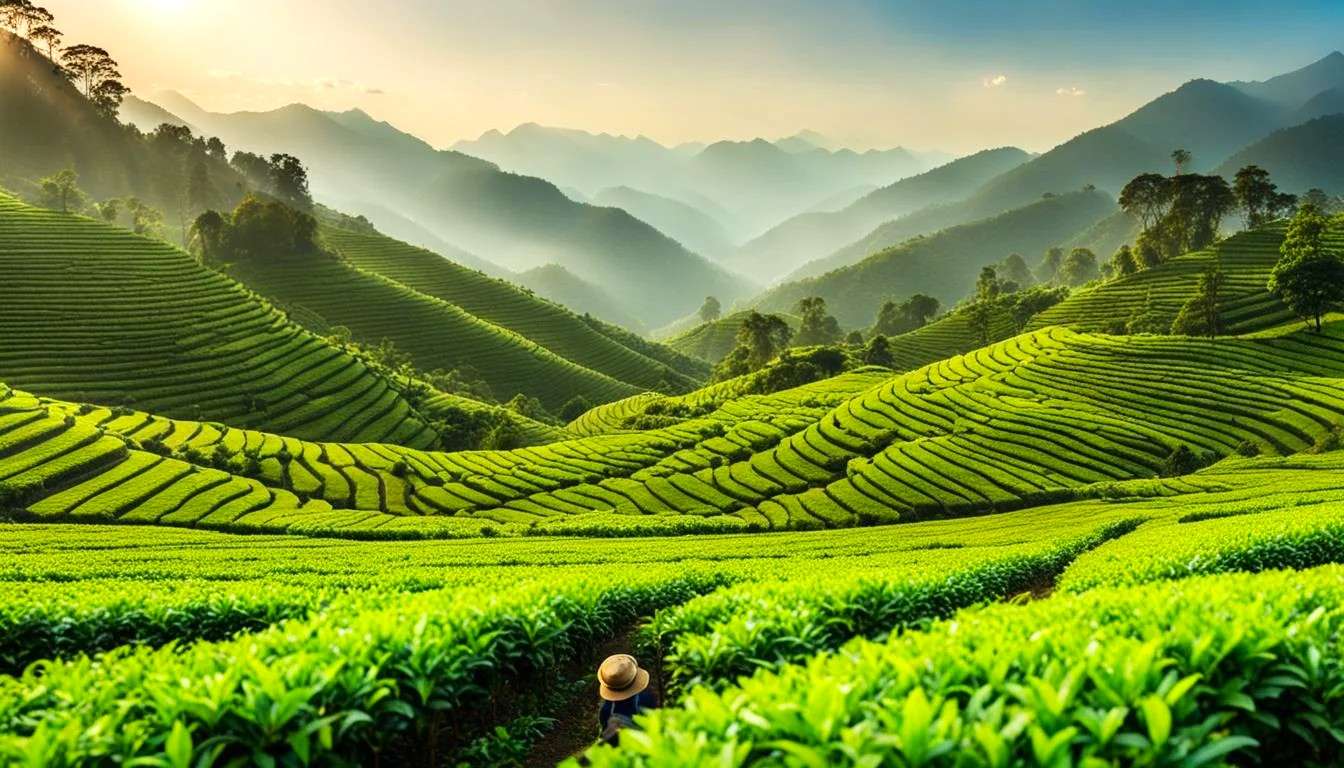
In Fujian Province, the Wuyi Mountains rise like stone cathedrals into the mist. Their mineral-rich cliffs produce oolongs of stunning complexity. In Yunnan, ancient tea trees—some over a thousand years old—are still harvested to make earthy, prized pu-erh teas. Zhejiang is home to the famed Longjing (Dragon Well), where green tea leaves are pan-fired by hand. And in Anhui, delicate buds from high-altitude gardens become nuanced, aromatic brews revered around the world.
These are not industrial zones churning out mass-market blends. They are living, breathing ecosystems—cultivated with reverence and skill.
See for yourself ➤ (click the image below to watch)
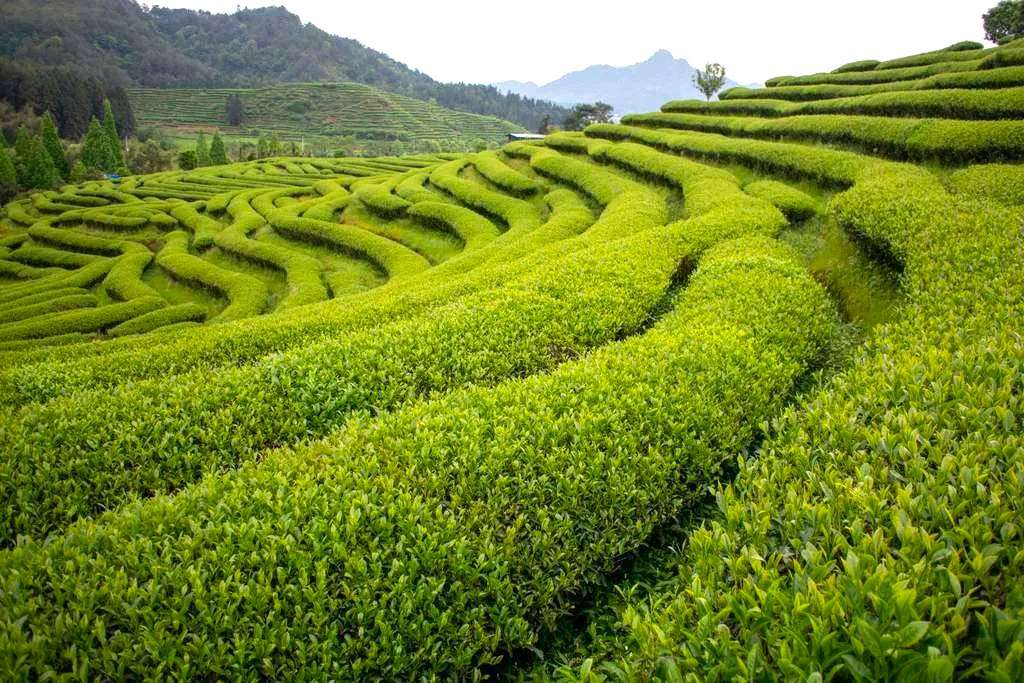
From the misty terraces of Fujian to the ancient tea forests of Yunnan—this is where tea is born, not made.
Craft, Culture, and Clarity
Unfortunately, many consumers who question the quality of Chinese tea have never seen these regions, never met the growers, and may never have tasted tea that hasn’t been masked by artificial flavors or sweeteners. The real issue isn’t where the tea comes from—it’s whether the tea is pure, unadulterated, and transparently sourced. That’s the real conversation hiding behind “for all the tea in China”—not origin, but honesty.
Tea drinkers should absolutely be discerning. But the real questions are:
- Does this tea use flavorings to cover low-quality leaves?
- Is it filled with dust and fannings, or is it whole leaf and intentional?
- Does the brand offer clarity on where their ingredients come from?
At Pure & Easy Tea, we take pride in answering these questions with transparency. We use no flavorings, no sweeteners, and no chemical additives. What you see in the bag is what you get—pure botanicals, often handpicked from places like Fujian and Yunnan, where tea is still treated with the respect it deserves. You can read more about that standard on our What Is Pure Tea page.
Sourcing from the Source
Rejecting tea simply because it’s grown in China means rejecting the origin of the drink itself. It means ignoring the landscapes, the people, and the traditions that shaped every cup we enjoy today.
Our own Shades of Green ceremonial matcha carries that same respect for origin — stone-milled from a first harvest, following techniques with roots stretching back centuries. Real provenance, done honestly, is worth defending regardless of where on the map it happens to sit.
And for all the tea in China, that’s a legacy worth defending.
Keep reading