
Avoid chemicals in your tea and you avoid more than pesticide residue — you avoid the whole chain of shortcuts that usually comes with it: masked flavor, vague labeling, and a plant that never actually got to taste like itself. Most people choose tea for how it makes them feel — calm, focused, nourished. Few think to ask what else might be steeping in the cup. But if you want to genuinely avoid chemicals in your daily routine, tea is one of the easiest places to start looking closely.
The Real Cost of Pesticides in Tea
This isn’t a hypothetical concern. In 2014, CBC News tested ten popular tea brands sold in Canada — including several major national names — and found pesticide residues in eight of them, with more than half exceeding Canada’s own allowable limits. Only one brand tested came back clean.
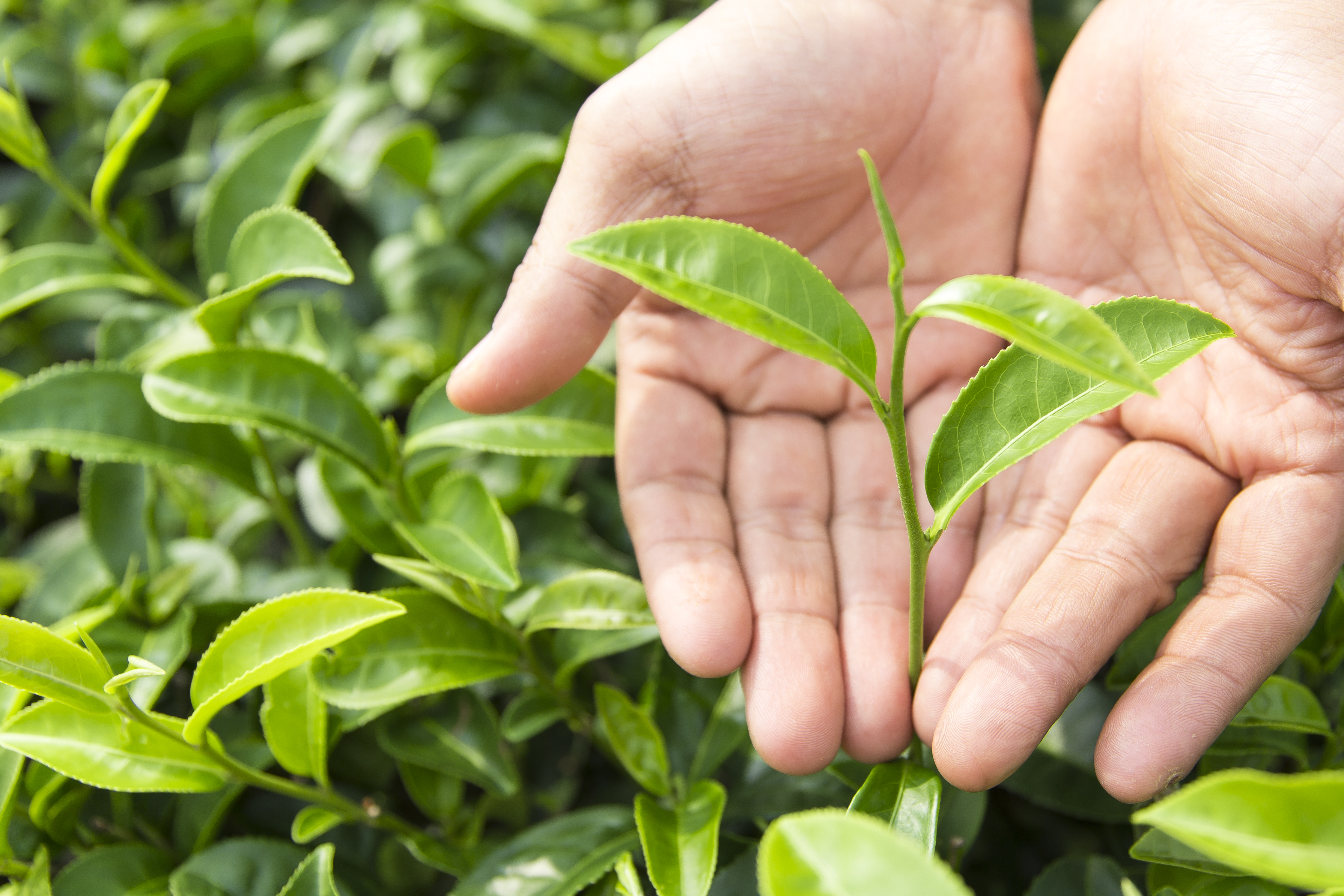
Tea leaves are unusually good at absorbing what’s sprayed on them, and unlike produce, tea isn’t washed before it’s dried and packaged. Whatever touches the leaf in the field tends to end up in the cup, steeped directly into the water you drink.
Why We Avoid Chemicals at Every Step
Chemicals in tea rarely show up as a single ingredient — they accumulate. Pesticide residue in the field. Artificial flavorings added to mask a stale or inconsistent leaf. Synthetic preservatives to extend shelf life. Individually, each one might fall under a legal limit. Together, they add up to a product that’s a long way from the plant it started as.
Choosing to avoid chemicals means sourcing whole botanicals and refusing to substitute flavor for integrity. It also means being willing to say, plainly, what’s in the blend and what isn’t — no proprietary “natural flavor” blends standing in for real ingredients.
Reading a Label the Right Way
The phrase “natural flavors” is legally allowed to describe compounds created in a lab, as long as the original source molecule occurred somewhere in nature. It tells you almost nothing about what’s actually in the package. The same is true of “may contain other natural ingredients” — a phrase that exists specifically to avoid listing what those ingredients are.
A short ingredient list you can actually picture — whole leaves, real botanicals, nothing else — is one of the fastest ways to tell whether a tea was built around flavor engineering or around the plant itself. If a label needs a chemistry degree to parse, that’s usually the point.
Preserve the Environment, Not Just the Product
Heavy pesticide use doesn’t stay contained to the plant. It runs off into soil and water, and it affects the health of the farmworkers who handle the crop directly, often with far more exposure than anyone drinking the finished tea. Farms that avoid chemical-intensive methods tend to rely on healthier soil, more resilient plants, and safer working conditions — the kind of agriculture worth actually supporting with a purchase.
What Chemical-Free Tea Actually Tastes Like
Artificial flavoring exists largely to cover for a lower-quality leaf. When the botanical itself is good, it doesn’t need help. Pure teas taste more distinct from one another, not less — because you’re tasting the actual plant, harvest, and region instead of a flavor lab’s approximation of it.
This is the standard behind every blend we make. You can read more about what goes into it — and what deliberately doesn’t — on our What Is Pure Tea page.
None of this requires becoming an ingredient chemist before your morning cup. It just means treating tea the way you’d treat anything else you put in your body regularly: worth a second look at the label, and worth choosing a source that’s never given you a reason to ask.
Choosing to avoid chemicals isn’t about fear of a single ingredient. It’s a standard: fewer inputs, more transparency, and a cup that tastes like what it actually is.
Keep reading